
Introduction
The tea packaging process is not merely the process of packing tea in a box or a bag. It is a well-thought-out process, which makes sure that your tea gets to the final destination in the best way possible, fresh and good-looking. Regardless of whether it is green tea, black tea, or other niche products such as oolong tea, packaging will be critical to maintaining their unique flavors, health benefits, and overall quality. This process is the key to the success of any tea brand in such a large and diverse industry as the tea industry, with tea factories in the provinces of China and modern tea companies in the United States.
This article explores in detail the tea manufacturing and packaging process, including the materials used and the machines involved in automating it. We shall also discuss the ways that tea drinkers can become informed about the packaging of their preferred blends, and how creativity in this respect still contributes to the future of tea production and sales.
Why Your Packaging Process Defines Tea Quality
Once processed, tea leaves are finalized; every moment counts before deterioration begins. Detrimental environmental factors include too much moisture, light, and oxygen. Neglecting any of these factors during the packaging process will compromise the quality of the tea. Packaging is the first line of defense, as it must prevent these factors from getting in, ruining the tea, and stealing the freshness and flavor all at the same time.
- The Impact of Moisture and Oxygen on Tea
High-grade oolong tea or green tea are delicate teas that can be destroyed easily. Such teas may lose the moisture content features they are characterized by within weeks in case they are poorly packaged. Proper packaging thus plays a significant role in preserving their freshness as well as in ensuring that all the flavor and health value of the tea are upheld till it reaches the consumer.
- Vulnerability of Delicate Teas
High-grade oolong tea, green tea, and other delicate teas are especially vulnerable to degradation. Improperly packed, these teas are capable of losing their distinct features in a few weeks. Hence, conserving the product’s freshness and complete flavor, along with health benefits such as ascorbic acid, until the consumer receives it, depends on the quality of the packaging.
- Packaging as a Reflection of Your Brand
Aside from preservation, packaging serves as a tangible representation of your brand. It conveys the anticipated price, authenticity, and quality of the tea long before it is brewed. For tea businesses, a comprehensive packaging strategy guarantees that the sensory profile crafted in the field and production is the same one ultimately delivered to the consumer. Quality of the packaging is a central element in building brand loyalty and repeat purchases.
The Complete Process: From Leaf to Box
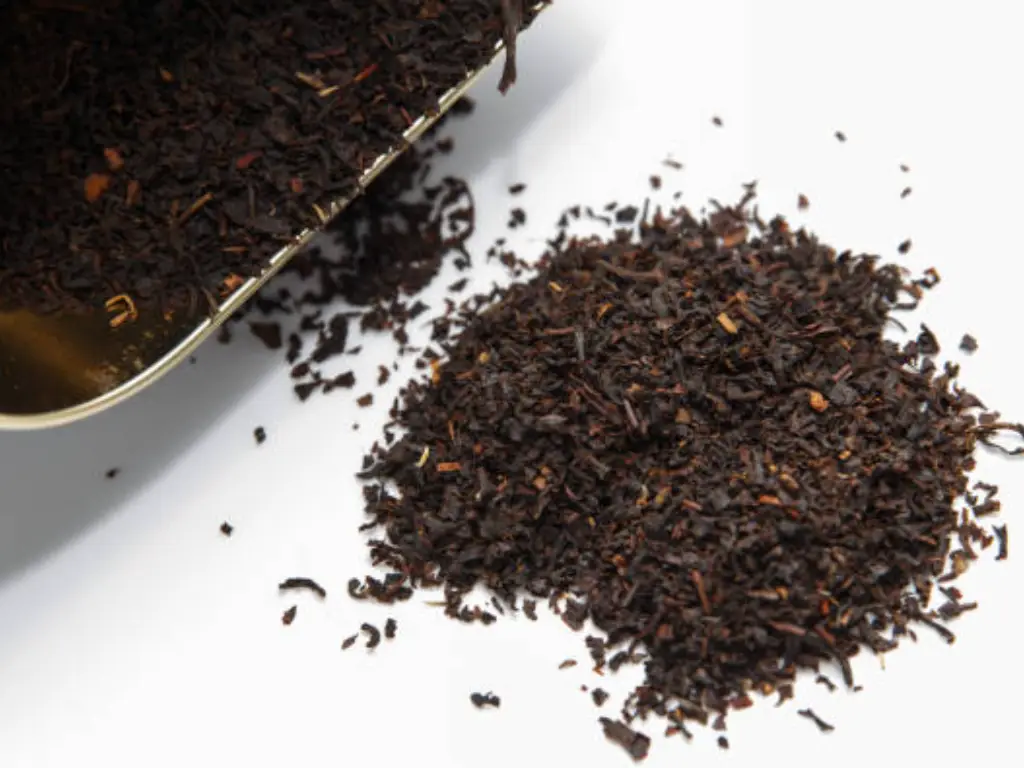
The consumer journey begins as soon as withering, rolling, oxidation, and drying are complete. With multiple stages to complete, the packaging workflow is a complex operation.
- Sorting & Grading: The first step in post-production is often final sorting. The bulk tea leaves are cleaned and sorted to remove stems and dust, and then graded by size and quality (grades of tea).
- Weighing: Accuracy is the ultimate. In the case of high-speed lines, automated multi-head weighers are used. In smaller batches, it can be semi-automated. The correct weighing is required to comply with the regulations (net weight), but most importantly, to control costs, as the concept of product giving away is an immediate loss of profit.
- Filling (Primary Packaging): The primary package is the weighed tea dispensing into its primary container. This may be a ready-made pouch, a metal tin, or a tea bag made on the line.
- Sealing: It is arguably the most important process step. To avoid ingress of oxygen and moisture, a hermetic seal is necessary. It may be done by heat sealing (in the case of plastics), ultrasonic sealing (in the case of pyramid tea bags), or induction sealing (a seal under a cap made of aluminium).
- Secondary Packaging: The closed containers of the primary packages are now collected and fitted into their secondary package. This is the branded box, carton, or caddy that appears on the retail shelf. Date coding and use of batch numbers may also be provided in this stage.
- Tertiary Packaging (Case Packing): Lastly, the secondary packages are bundled and moved to shipping cartons (e.g., cardboard containers), which are then shipped and distributed to tea factories or retailers.
Choosing Your Format: Tea Bags vs. Loose Leaf
The packaging format you choose is pivotal in defining your target audience, pricing strategy, and the machinery you will need. Packaging options primarily fall into two categories: loose leaf and tea bags, each catering to unique consumer needs and demands different strategies, depending on the brand targets.
Loose Leaf Packaging
Loose leaf tea packaging is normally targeted at the tea connoisseur or the specialty tea market with high-quality teas and a superior drinking experience. The most important thing in this is the beneficial reduction in the integrity of the entire leaves, which tends to produce better flavor and aroma. This format needs strong packaging that can maintain the freshness and quality of the leaves.
- Metal Tins: This would be a traditional and very efficient option to package loose tea. Metal tins are almost airtight, watertight, and lightproof, and thus conserve the tea’s freshness. And they also bring a high-end image, which is best with high-end teas.
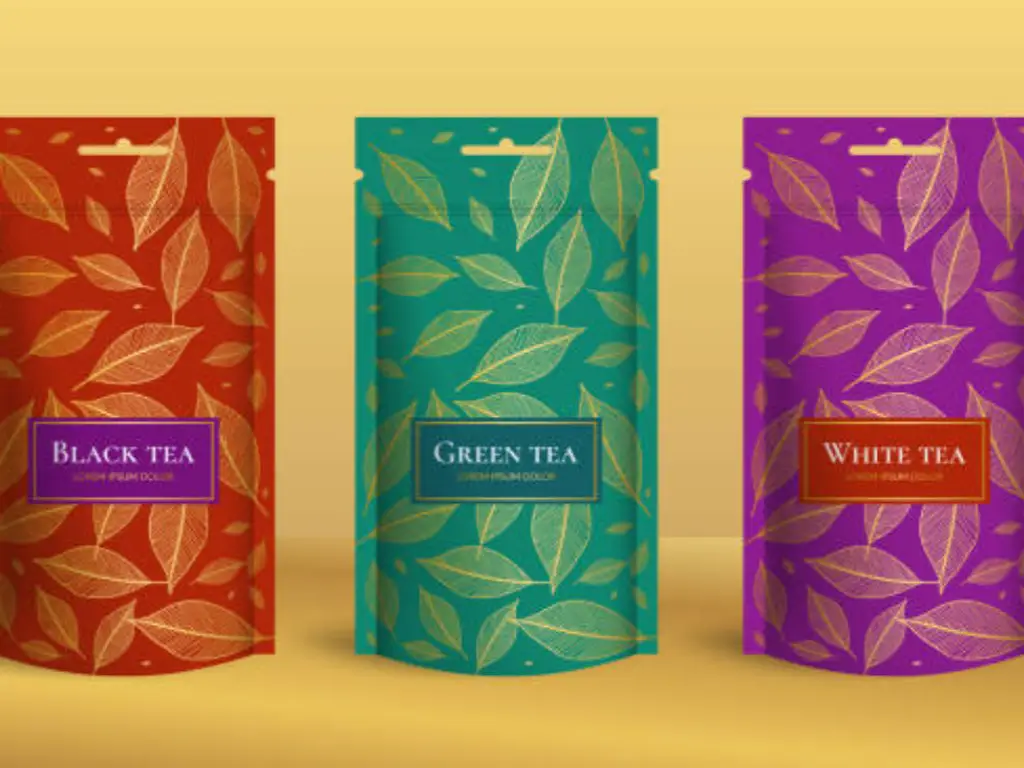
- Stand-Up Pouches: This is a new, versatile, and affordable type of packaging for loose tea. They are typically multilayered (e.g, PET/VMPET/PE) and offer high protection against external factors. Stand-up pouches are light in weight and easy to store, making them an attractive option for tea packaging, providing a lot of room for branding; hence, they are more likely to favor the mid-range to high-end tea brands.
- Gusseted Bags: These are used frequently in the coffee and tea industry as well. These are also cheap and effective packaging options. Gusseted bags are designed with a flat bottom and are made with a tin tie or zipper for resealing. These are perfect for bigger tea orders, which will also appeal to retailers wanting to be eco-friendly.
Tea Bag Packaging
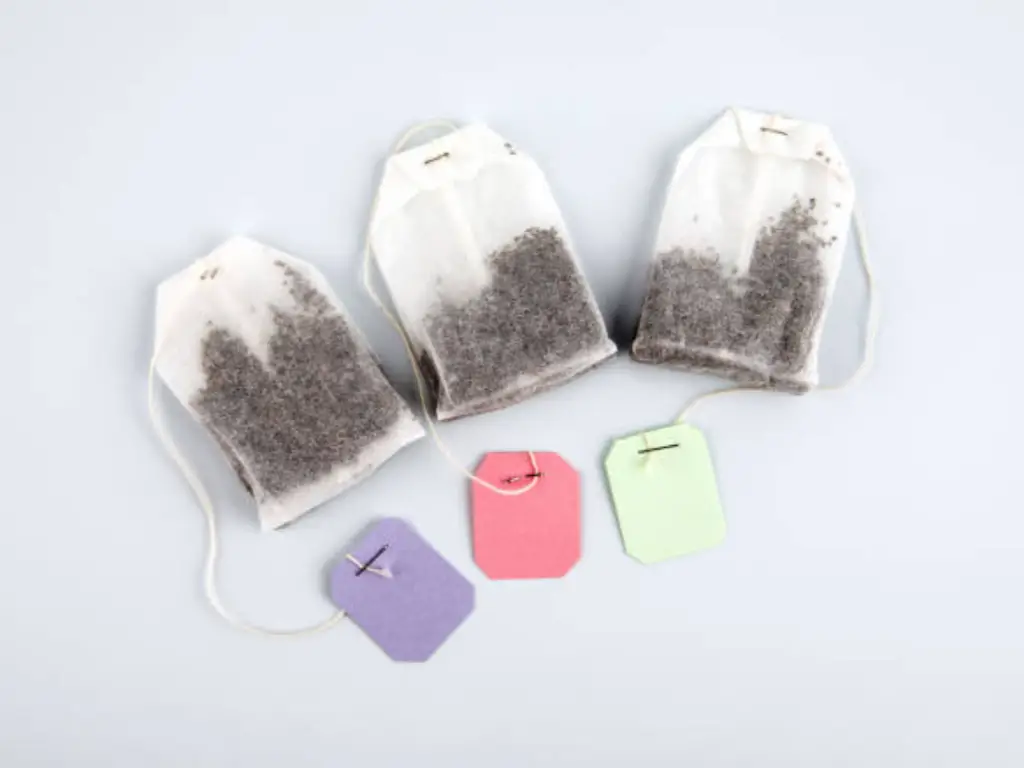
Conversely, the mass-market segment requires tea bag packaging, which focuses on convenience and speed. The innovation in the industry has been intensive since the entry of tea bags, and this has resulted in new types of packaging formats that are aimed at enhancing the brewing process.
- Pyramid Tea Bags: These are known to provide additional space in which the tea leaves can expand during the brewing process in hot water, and this means that they get to enjoy a better blending experience relative to the traditional tea bags. They are usually crafted of nylon or PLA mesh and ultrasonically sealed so that they can have an unusual shape that gives the tea more room to grow.
- Traditional (Pillow/Square) Tea Bags: These are the Ponies of the tea packaging market. Under this type, one can find the string-and-tag variety or plain pillow bags, which most times are rewrapped either in paper or foil to keep them fresh. The best example is the Typhoo brand, which achieved so much with this packaging format of tea in the 1990s in the mass market. Functional, however, the traditional tea bags might not be the best choice when it comes to the more expensive types, as they limit the possibility to display the quality of small green tea or oolong tea.
- Historical/Niche Formats: As the majority of the market is in tea bags and loose leaf products, there are yet to be niche formats that serve particular regions or cultures. An example is that of brick tea that is common in Central Asia, and Chinese teacake wrappers that are typical in Chinese provinces that providing a traditional tea packaging experience that attracts some consumer segments.
Material Deep Dive: Protecting Freshness and Planet
Selecting the packaging tea comes in has a significant impact on how well the tea maintains its freshness, and the packaging reflects the tea brand name’s environmental values. Given the increase in the environmentally concerned audience, tea brands are beginning to focus on protective, sustainable materials that align with the branding. Below is a short description of a few materials used in tea packaging.
- Aluminum Foil / Metallized Films (VMPET): Foil will be the best barrier to light, oxygen, and moisture. A high-end tea or any product with a long shelf life is covered or metallized using an aluminum covering to help maintain the good quality of tea.
- Plastic Films (PE, PET, BOPP): Polyethylene (PE) is the most common sealant layer, as it melts at a low temperature and provides a good moisture barrier. Polyethylene terephthalate (PET) provides structural integrity, printability, and a good oxygen barrier. This plastic packaging is the backbone of the flexible packaging industry.
- Kraft Paper: A popular choice for brand storytelling techniques that evoke a natural or artisanal feel. However, the paper itself offers no barrier. It must be laminated with a functional layer, such as PE, PLA, or a metallized film, to be effective.
- PLA (Polylactic Acid): A bioplastic derived from corn starch. It is a popular biodegradable material choice for pyramid tea bags and as a sealant layer in compostable pouches.
The objective is to achieve the lowest possible Oxygen Transmission Rate (OTR) and Water Vapor Transmission Rate (WVTR) that is economically viable for the specific kind of tea being packaged.
Manual vs. Semi-Auto vs. Fully-Automatic Lines
Automation impacts the overall efficiency, cost, and quality of your production in packaging different types of tea. With the growth of your business, the choice between manual, semi-automatic, or fully-automatic lines becomes ever so important. Each has its own pros and cons, depending on your operations scale and the specific tea you are packaging.
Manual Lines
For smaller tea factories or businesses dealing with high-end, premium tea, the manual lines are ideal. Such operations rely on human hands for each stage of processing, thus ensuring careful tea handling and packaging. This is especially beneficial for quality-controlling fragile teas, for example, oolong and artisanal green teas. The slow-paced manual packaging becomes inefficient in large-scale productions, but it works for bespoke tea products or smaller batches. This becomes problematic when demand increases, as it does with most businesses.
Semi-Automatic Lines
Semi-automatic lines are features between fully automated and manual lines. These systems package tea using automation for filling and sealing, but keep human supervision for control processes, and for tasks that require finesse. For growing tea companies, semi-automatic lines can scale production without sacrificing the quality of the tea. This is an excellent option for companies looking to improve efficiency without losing the manual packaging for premium products. Semi-automatic lines are typically for small and medium operations that are in the process of expansion and still require quality control at multiple points.
Fully-Automatic Lines
Fully-automatic lines are the ultimate efficiency in tea packaging and process automation. In such systems, packaging is finished without human interaction. This type of system is ideal for big operations that need to keep consistent and high-speed production, mainly for canned or instant teas, where the level of oxidation is crucial. These lines are cost-effective for mass production because they improve the bottom line of the operation through high and consistent throughput and uniform packaging. They are also a significant investment because of high initial and maintenance costs.
Fully automated packaging lines tend to be the best long-term solution for businesses engaged in the production of bulk loose tea and mass market tea bags. This type of packaging fulfills the need for scalability and operational efficiency. Moreover, building brand recognition through automated systems helps maintain the desired consistency of the tea while reacting to peak demand periods.
Key Packaging Machinery for Your Tea Business
When businesses seek to scale the packaging of their tea, several types of machinery become vital in the tea processing phase. Various types of tea and different business packaging requirements will define the necessary machinery, which will achieve efficiency, precision, quality, and consistency. The following machinery is commonly used in the packaging lines of tea businesses:
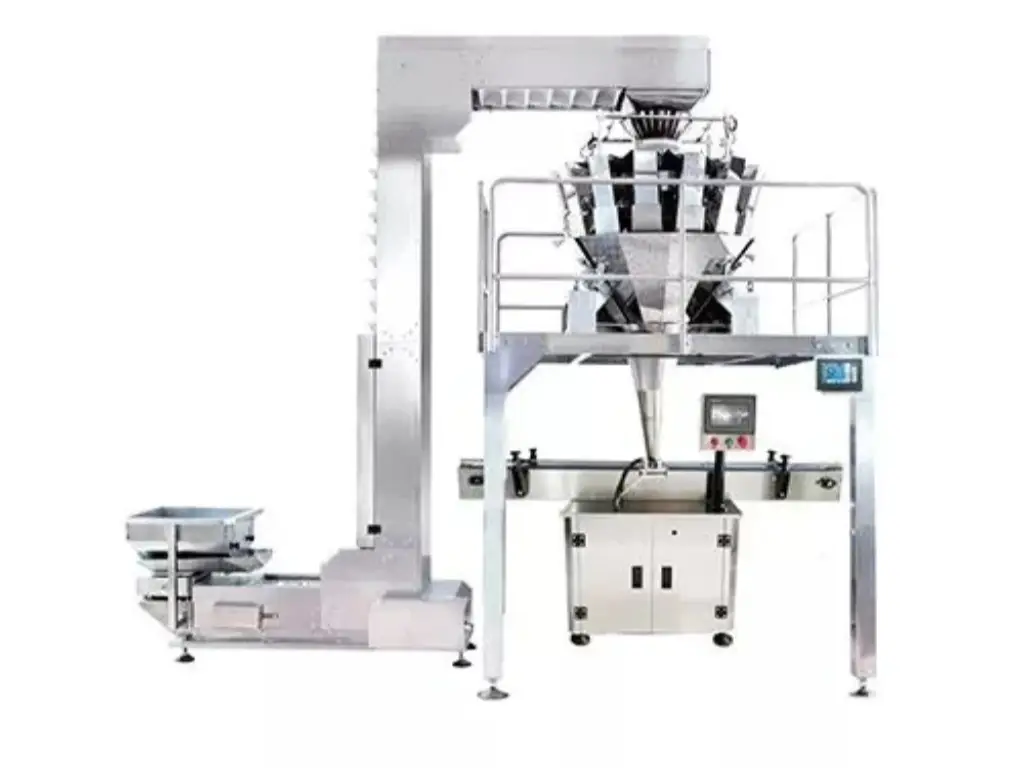
Multi-Head Weigher
For bulk loose tea packaging, high-speed and precise weight determination is essential; the multi-head weighers provide this by utilizing a combination of small weigh-buckets. They also help to control overfilling the packages, which is important for cost control. It makes the equipment a must for high-volume operations.
VFFS Machine (Vertical Form-Fill-Seal)
Among the VFFS (Vertical Form-Fill-Seal) machines, the VFFS packer is the “workhorse” in the tea industry packing. It’s the most versatile packing machine in the industry, as it handles packing in pillow bags and some gusseted bags. The machine takes a flat roll of packing film, forms it into a tube, seals it vertically (in opposite directions), fills it (through the multi-head weigher) in the tube with tea, and then seals it horizontally to make individual bags. For its speed and ability to keep uniform in every pack, the VFFS is the most efficient machine for high-volume tea packaging.
Premade Pouch Machine (Rotary)
For more luxurious packaging, a premade pouch machine (or a rotary pouch machine) is an excellent option. This machine will have pre-made stand-up pouches. It takes a pouch that is empty, pulls a top on it, stuffs it with the required product, and closes it. Though the premade pouch machine is slower than the VFFS systems, it has a high quality of look and feel, which best suits packaging high-quality teas or products that require a good outward appearance. This is a machine frequently utilized in stand-up pouches or any other flexible packaging materials.
Tea Bag Packing Machine
Tea bag packaging requires specific packaging machinery, as it has to fulfill certain functions. This includes forming, dosing, stringing, tagging, and envelope enclosing. For this reason, packaging machines are designed for one kind of product– packaging tea bags. Quality and consistency must be achieved for bulk packaging and also during the processing of the traditional and innovative pyramid tea bag formats.
Levapack: Your Precision Solution for Tea Canning & Pouching
When it comes to high-quality finished pouches, metal tins, or aluminum cans, the type of packing material and the reliability of the packing line are foremost aspects. For loose-leaf tea or instant tea powder, Levapack engineers focus on the precision and reliability of the line to fill and seal tea pouches, making our solutions an excellent choice for optimal packaging.
After 18 years in the industry, we understand the sensitivity of tea and its meticulously designed handling procedures. This includes Solid Filling Machines (available with multi-head weighers) and Powder Filling Machines, as well as handling the high-value loose green leaves and fine instant tea powders.
Why Choose Levapack for Your Tea Packaging Line?
- Superior Seal Integrity: Our primary expertise is in the seaming and sealing technologies. We provide vacuum and nitrogen-flushing packaging systems that extend the shelf life and maintain the flavor of your tea using oxygen removal techniques.
- Precision Engineering: The equipment designed for your facilities is fitted with components manufactured using CNC machining and design integration with top-tier international companies like Siemens PLC and SMC pneumatics for operational stability and accurate filling control.
- Reliability & Speed-to-Market: Each machine is subjected to a robust 36-hour aging test. With more than 80 machines readily available in inventory, we can provide systems within 1-7 days for a quick market launch.
- Global Service & Support: We provide exceptional coverage with a 12-16 month warranty and always-on-line 7/24 service. Our distributor network in North America and Europe can also offer localized aftermarket service.
Need a dependable filling or sealing solution for your tea products, and working with metal tins, paper cans, or premade pouches. Reach out to our engineers to discuss and receive a proposed layout for a custom production line.
Common Pitfalls in the Tea Packaging Process
Consistency fosters trust in tea consumers. Nevertheless, trust can easily be lost if the tea packaging process encounters common, avoidable mistakes. These mistakes lead to poor quality products, unhappy consumers, and lost sales. Below are some of the major pitfalls specifically in the tea packaging process:
| Pitfall | Description | Impact |
| Inadequate Sealing | Caused by incorrect machine settings or worn-out parts. | Leads to spoilage and returns due to poor sealing. |
| Material-Product Mismatch | Using low-barrier materials for sensitive teas (e.g., PE bags for green tea). | Results in rapid degradation, damaging brand equity. |
| Machine-Product Mismatch | Using machines not suited for the product, e.g., machines for instant tea packaging for loose leaf. | Causes inaccurate weights and poor filling. |
| Ignoring Scale | Using semi-automatic systems for mass-market production. | Leads to missed demand, lost contracts, and market share. |
Future Trends: Automation and Smart Packaging
Consumer demands are changing, and the tea packaging process is under constant evolution due to improvements in technology. With the change in the industry, the future of tea packaging is taking the form of innovations such as automation and smart packaging that are more efficient, preserve products better, and provide a better consumer experience. The following are some of the most important trends that are changing the landscape of packaging:
- Nitrogen Flushing (MAP): In the Modified Atmosphere Packaging (MAP), the package is flushed with nitrogen gas before closure. This replaces oxygen, slows down oxidation radically to prolong the shelf life and flavor profile of sensitive teas.
- Full Line Integration & Automation: The future is in linking all packaging processes. This implies the incorporation of the multi-head weigher, VFFS machine, checkweigher, and case packer into one continuous and seamless line that needs minimal human intervention.
- IoT and Data: Now, Smart packaging machines have sensors, which can report the Overall Equipment Effectiveness (OEE), anticipate maintenance requirements, and perform remote diagnostics that decrease the downtime.
- Smart Packaging: The emergence of QR codes on the packaging, allowing consumers to trace the specific type of tea to its location of origin, improves the methods of brand storytelling and transparency. It is a stark contrast to the cheapest end of the spectrum packaging, and it provides a better quality.
Conclusion
In tea production, the primary purpose of packaging is to conserve tea quality and ultimately, deliver it to consumers. Deciding which materials to use and the most suitable machinery for your company makes the tea packaging procedure a sophisticated one. The increasing automation of the industry and the use of sustainable practices will provide a competitive advantage to businesses inclined to it.
Whether the packaging protects your quality investment on fragile leaves or instant tea, it also secures the packed tea’s health benefits and authenticity for the consumers.


 EN
EN  RU
RU  ES
ES  FR
FR  DE
DE  NL
NL  IT
IT  JA
JA  ID
ID  PT
PT  KO
KO