
The choice of the container material is a fundamental choice in the packaging industry. It determines the shelf life of the product as well as the engineering needs of the production line. To manufacturers, the decision between tin vs aluminum is a complicated consideration of material science, mechanical processing, and the cost of operation in the long run. This guide compares these different materials to help in making a sound infrastructure investment for your product packaging.
Understanding Tin and Aluminum as Packaging Materials
The term tin can is a technical misnomer in the contemporary industrial environment. The industry calls what is known as tin packaging, tinplate, which is a sheet of cold-rolled steel covered with a microscopic thin tin coating or layer of tin. The structural integrity and magnetic properties are provided by steel, whereas the corrosion resistance and non-toxic surface of food contact are provided by the pure tin layer. This composite solution is made of steel, which was developed in the 19th century due to the high cost and scarcity of tin cans that were used in the 19th century.
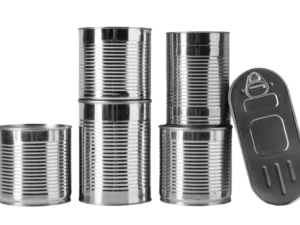
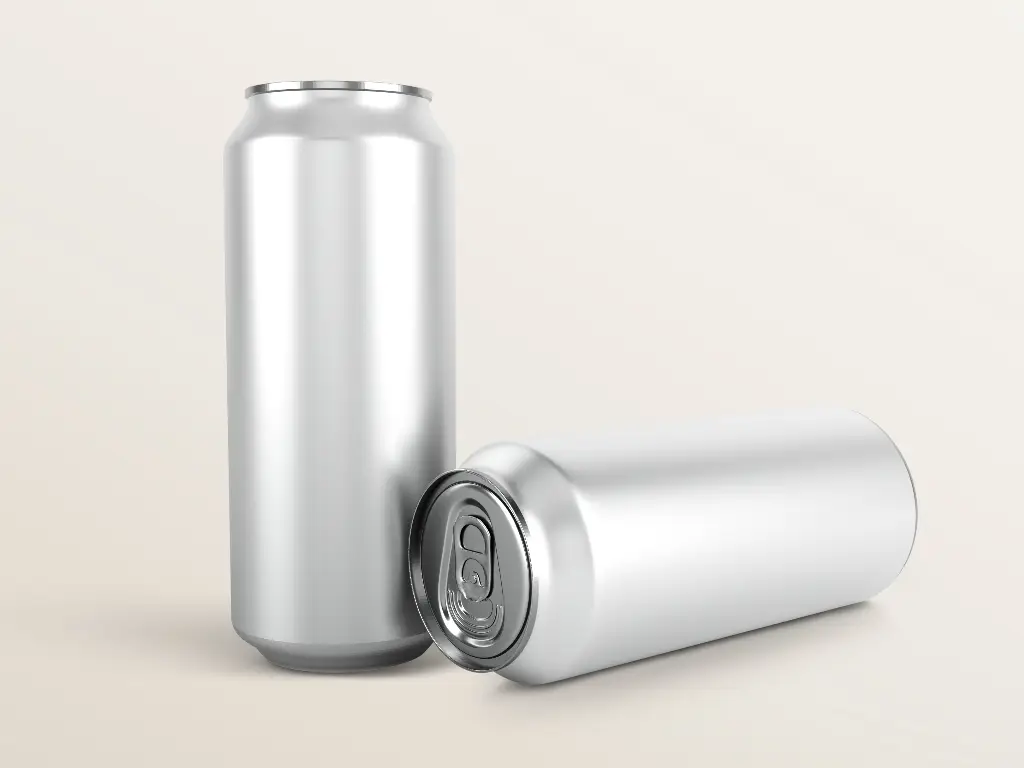
Aluminum packaging, on the other hand, is a non-ferrous metal type obtained through bauxite ore. It is packaged as aluminum alloys, which are added with small percentages of magnesium or manganese to enhance strength. Unlike the material composition of tinplate, aluminum cans consist of a single-layer substrate. The transition to aluminum packaging materials started in the middle of the 20th century, mainly due to the necessity of the beverage industry to have a lightweight, rust-free, and highly recyclable container. Understanding that these are different processes involving a steel-based composite and a non-ferrous metallic element is the first step in diagnosing their behavior.
Physical Differences: Tin vs Aluminum Packaging
The supply chain survival and interaction with the consumer depend on the physical attributes of the container. The major differences in the atomic structure of these common metals are the basis of these differences.
Mechanical Strength: Axial Load and Dent Resistance
Tinplate is good in structural rigidity. Tin containers are highly axial load-bearing, i.e., they can carry a lot of weight when piled up in warehouses or during transportation due to the presence of a steel core. This makes them an ideal packaging material for heavy stacking. Moreover, a tin can is very resistant to external denting.
Aluminum tins are made of a far softer and more ductile material. Although it is superior in the draw and iron manufacturing process of producing seamless cans, it possesses low inherent structural strength in comparison to steel. A can of aluminum is easy to crush with your hands. In order to counter this in the beverage industry, the internal pressure of the liquid or injected gas gives the required rigidity to sustain the axial loads. Aluminum bottles are much more prone to denting and deformation when they are not subjected to internal pressure.
Corrosion Resistance and Inner Coating Requirements
Both different materials need advanced internal finishes to guarantee food safety and avoid chemical reactions between the contents and the metal. Aluminum has a natural tendency to form a thin layer of aluminum oxide on the surface of the metal at room temperature, providing good corrosion resistance against the atmosphere. However, for packaging applications involving acidic liquids, a liner is required to maintain a barrier.
Tinplate relies on the layer of tin to protect the steel core. However, for certain food packaging like tomatoes, some fruits, or even meats, the layer of tin is not enough. Foods with a high acid content may undergo detinning, in which the layer of tin is dissolved away. In such situations, special finishes like organosols or BPA-NI (BPA Non-Intent) resins are used. Tinplate has a better shelf life in non-carbonated food,s which needs a full oxygen barrier and long shelf life in diverse climates because the steel body is not as permeable to gas migration as thin-walled aluminum.
Weight and Aesthetics: Visual and Tactile Differences
The most immediate differentiator in the tin vs aluminum debate is weight. Aluminum is about a third of the weight of steel. For a global distributor, this weight saving is directly converted into fuel savings and a reduced carbon footprint in logistics. A lighter container also minimizes wear and tear on high-speed rotating components in the packaging machinery.
In terms of branding, the two materials have varying touch experiences. Tinplate is heavy in touch, and consumers tend to relate it to durability and traditional quality. It offers a clear metallic clink and a surface that allows lithographic printing, which is high gloss and precise. Aluminum packaging has a contemporary, smooth look. Its surface is frequently brushed or matte, and it remains colder to the touch, which makes it an ideal choice for the modern daily use beverage market.
Operational Impact: Processing Tinplate vs. Aluminum
The physical architecture of the factory floor is determined by the packaging material used. A line that is made to handle tinplate cannot just change to aluminum without capital modifications.
Conveyor Systems: Magnetic Handling vs. Vacuum Belts
The greatest operational gap is in magnetic properties. Tinplate is ferromagnetic since it contains a steel core. This enables the packaging industry to employ magnetic conveyors, which are able to raise cans upwards, keep them upside down to be washed, or stabilize them at very high speeds with only simple magnetic rails. This makes the layout of a factory very simple since the vertical space can be used with maximum efficiency.
Aluminum cans are non-magnetic. A line would require vacuum belts or mechanical grippers to have the same degree of stability and vertical movement. Vacuum systems need powerful fans and accurate ducting, which consumes more electricity and makes them harder to maintain. In case a facility is already using magnetic elevators to transport cans to a high-level filler, the transition to aluminum would require a total removal and replacement of the conveying infrastructure.
Seaming Integrity and Liquid Nitrogen Dosing
The process of seaming, which is the mechanical connection of the can body and the lid, is different in these two common metals. Tinplate is hard and is able to resist the high mechanical force of seaming rollers without deforming the body. The resultant double seam is very strong.
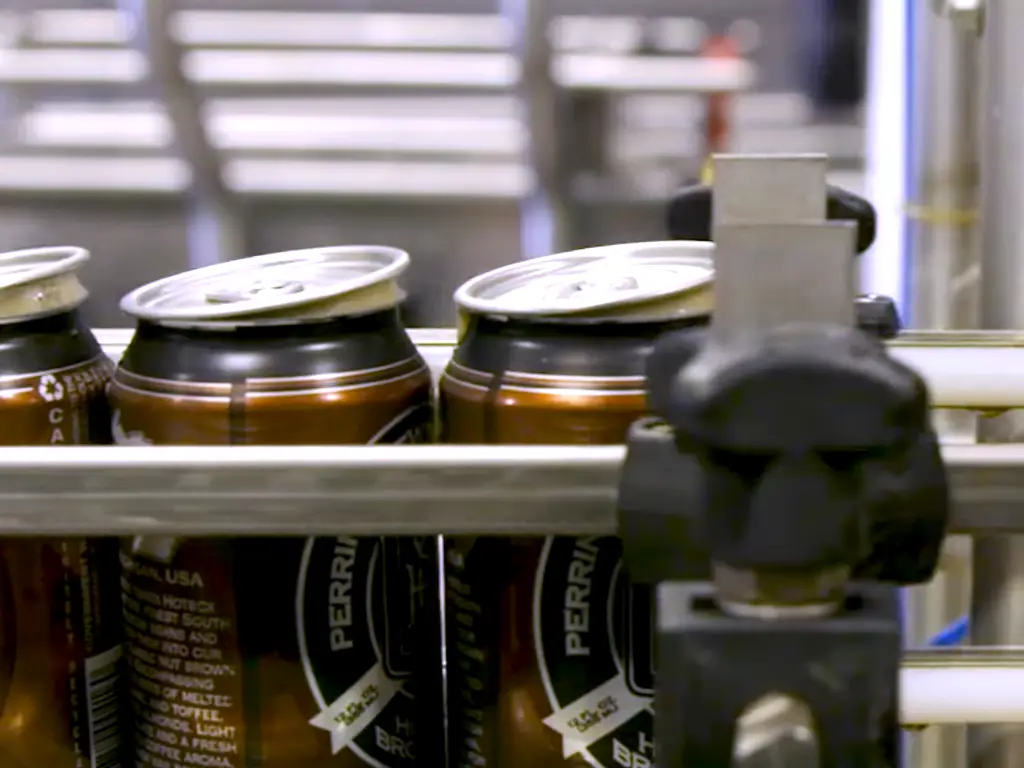
Aluminum has thin walls and is soft, which means that it needs more delicate calibration. Liquid Nitrogen Dosing is a very important process in the production of aluminum beverage containers. As aluminum bottles are not strong enough structurally to be stacked when empty or filled with non-carbonated liquid, a drop of liquid nitrogen is injected immediately before seaming. The gasification of nitrogen causes the gas to expand, which forms internal pressure that makes the can stiff. This enables thin aluminum to hold the heavier weight of the cans that are stacked on it. This extra dosing equipment is not always necessary in tinplate lines, and makes the gas management system on the floor less complex.
Production Cost Analysis and Supply Chain Volatility
The base of tinplate (steel) and aluminum is exchanged in various commodity markets around the world. The prices of steel are more stable, but they are affected by the cost of iron ore and coking coal. The price of aluminum is also strongly dependent on the price of electricity because the smelting process of the metallic element is extremely energy-consuming.
Manufacturing-wise, aluminum cans are sometimes less expensive per unit when manufactured in large quantities (millions of units) due to the fact that the material can be thinned compared to steel. Nevertheless, the secondary equipment needed to process aluminum (vacuum systems, nitrogen dosers, special testers) may increase the manufacturing costs. Tinplate is the ideal choice when medium-sized batches and products need to undergo a retort (high-pressure steam) sterilization process since the containers do not need the same degree of internal pressure control.
Typical Applications in the Packaging Industry
In order to aid visualization of the position of these materials in the market, the following table compares their performance in the main industrial metrics:
| Feature | Tinplate (Steel-based) | Aluminum Alloy |
| Best For | High-acid foods, vegetables, soups, and oils | Carbonated drinks, beer, and sparkling water |
| Retort Capability | Excellent; sustains high heat and pressure | Limited; requires overpressure to prevent bursting |
| Magnetic Handling | Yes; compatible with magnetic conveyors | No; requires vacuum or mechanical handling |
| Structural Rigidity | High; supports heavy stacking without pressure | Low; requires internal pressure for stacking |
| Typical Products | Canned meat, tuna, powdered milk, coffee | Craft beer, soda, energy drinks, aerosol sprays |
| Shelf Life | Extremely long (3–5+ years) | Moderate to long (1–2 years for beverages) |
Environmental Impact of Tin and Aluminum
Sustainability has become a major procurement force. Aluminum is commonly mentioned as the circular material of choice. It can be recycled 100 percent without any loss of quality, and recycling aluminum consumes 95 percent less energy than smelting ore to make primary aluminum. Due to its high scrap value, the recycling system of aluminum is the most developed in the world. In the case of a company with an ESG (Environmental, Social, and Governance) agenda, the story of aluminum is one of unlimited recyclability and lower transportation costs because of its low weight.
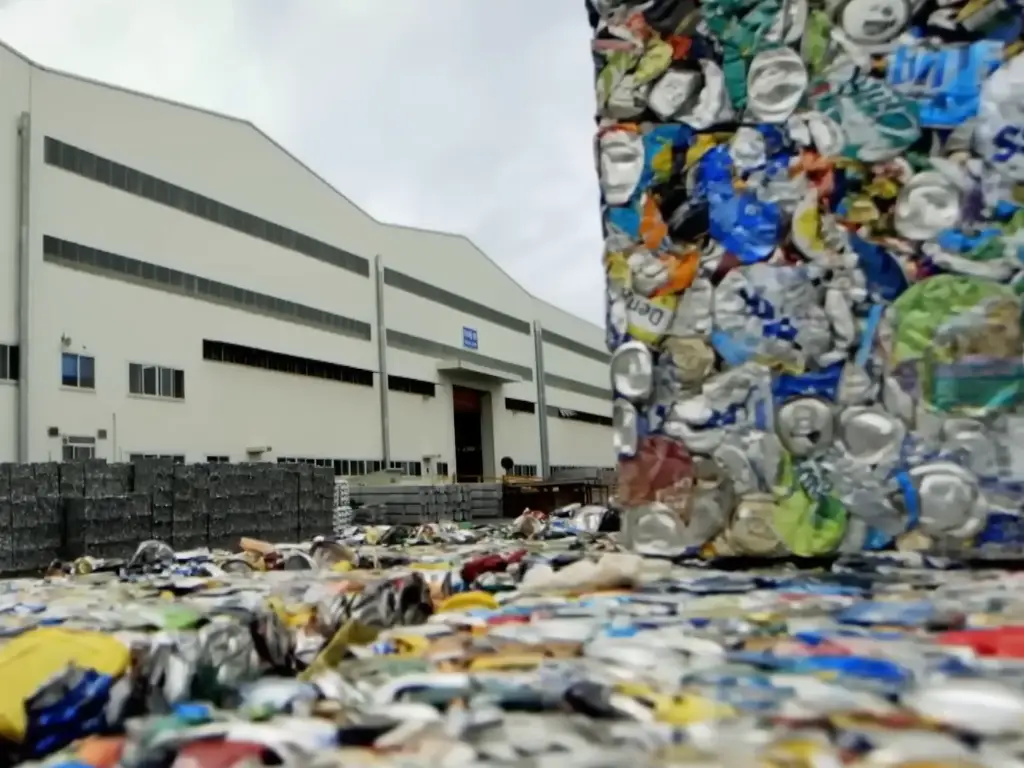
Tin packaging is also very sustainable, mainly due to the fact that it is the most easily recovered metal packaging. Tinplate can be recovered at 100 percent efficiency using large industrial magnets to strip the general waste streams. The steel is melted down once it is recovered to produce new steel products. Although the layer of tin should be removed during the smelting process, the steel industry has been utilizing recycled scrap as a fundamental element over the decades. Nevertheless, the energy needed to move and melt steel is more than that of aluminum, which provides aluminum with a minor advantage in the overall environmental impact analysis of high-turnover consumer products.
Equipment Compatibility Checklist for Manufacturers
Manufacturers have to audit their current hardware before making a final decision on a material choice or upgrading a facility. The change of one packaging material to another is not often a drop-in replacement. Use this checklist to evaluate your current readiness:
- Conveying: Is your line dependent on magnetic rails? If so, aluminum will require a transition to vacuum or side-grip systems.
- Filling: Does your product need to be dosed with liquid nitrogen to maintain its structure? (Necessary for non-carbonated aluminum).
- Seaming: Do you have seaming rollers that are set to steel or aluminum ductile?
- Sterilization: Do you sterilize? Tinplate is more reliable in dealing with the pressure differentials of steam sterilization.
Levapack specializes in navigating these technical transitions. With 18 years of engineering expertise, we provide automated canning lines featuring high-precision CNC-machined components (2μm tolerance) and advanced servo-driven technology. Whether your process involves the structural demands of tinplate for protein powders or the delicate handling of aluminum for nitrogen-flushed snacks, Levapack’s equipment—including vacuum and nitrogen-filling seamers—is designed for versatility. Our systems ensure low residual oxygen levels and utilize 304/316 stainless steel builds to meet the highest hygiene and durability standards for industrial use worldwide.
Final Verdict: Choosing Based on Product and Budget
The choice between tin and aluminum is finally made based on the physical needs of the product. If the operation is of high pressure carbonated drinks, the industry standard is aluminum because of its weight and cooling characteristics. In case the product is a solid food, a powder, or a protein that needs to be sterilized by retort or has high-stacking strength, tinplate is a better engineering solution.
Whereas aluminum has logistical benefits of reducing weight, tinplate has mechanical ease and reduced barriers to entry of lines that use magnetic handling. Manufacturers ought to weigh the short-term cost of machinery against the long-term cost of shipping and brand positioning.
To ensure your production line is optimized for your chosen material, consult with a technical expert. Our engineers are available to conduct a comprehensive line audit to evaluate your current seaming integrity, conveyor compatibility, and throughput efficiency.
Speak with our engineer to assess your specific line requirements.


 EN
EN  RU
RU  ES
ES  FR
FR  DE
DE  NL
NL  IT
IT  JA
JA  ID
ID  PT
PT  KO
KO  AR
AR  TH
TH  VI
VI  TR
TR  PL
PL