
De discussie over harde versus flexibele verpakkingen wordt vaak gevoerd op de marketingafdeling. Merkmanagers onderzoeken de impact op het schap, de voorkeur van de consument, het gemak en de visuele differentiatie. Logistiek managers gaan de discussie aan om te onderhandelen over het gewicht van de verzend- en vrachtkosten. Toch is het engineering- en operations-team de meest kritische stem die meestal als laatste wordt gehoord.
Voor een fabrikant is de keuze tussen harde verpakkingen (blikjes, flesjes, potjes) en flexibele verpakkingen (zakjes, zakjes, folie) niet alleen een kwestie van branding, maar ook van infrastructuur. Het bepaalt hoe uw fabrieksvloer wordt ingedeeld, hoe ingewikkeld uw automatisering zal zijn, hoeveel mensen u nodig hebt om te werken en wat uw totale eigendomskosten (TCO) zullen zijn.
Deze gids verplaatst de nadruk van het winkelschap naar de productielijn. We zullen de operationele implicaties van deze verpakkingsoplossingen onderzoeken om u te helpen bij het bepalen van de werkelijke Return on Investment (ROI) van uw productiefaciliteit.
De kanshebbers bepalen: Stijve vs. flexibele verpakking
We moeten dingen definiëren voordat we technische problemen ontleden. Zoals een verpakkingsexpert je zal vertellen, hebben deze twee soorten zeer verschillende eisen voor materiaalverwerking in de context van industriële vul- en verpakkingsmachines.
- Harde verpakking: Dit zijn containers die hun vorm niet veranderen als ze leeg zijn en die structurele ondersteuning bieden aan het product, aan het type product dat erin zit.
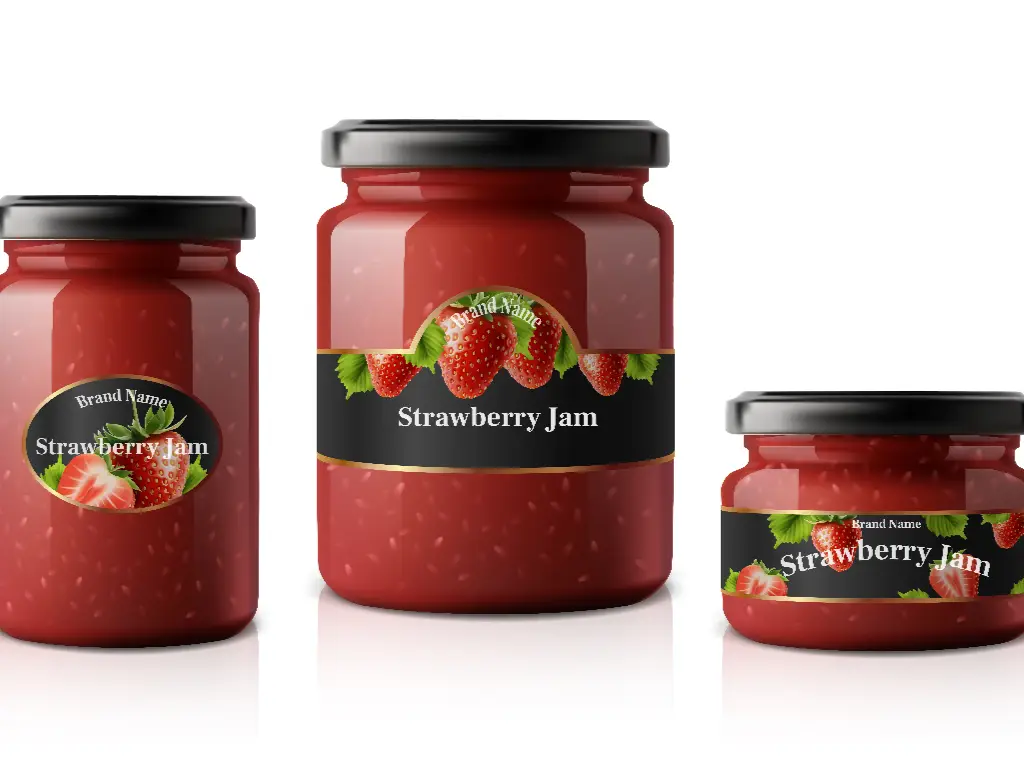
- Voorbeelden van harde verpakkingen: Metalen blikjes (blik, aluminium), glazen flessen en potten, harde plastic flessen en verpakkingen (HDPE, PET) en composiet papieren kokers.
- Karakteristiek: Ze zijn vormvast, gemaakt van stijve materialen en niet vervormbaar onder normale verwerkingsomstandigheden.
- Flexibele verpakking: Dit zijn verpakkingen die zijn gemaakt van flexibele verpakkingsmaterialen die van vorm veranderen afhankelijk van het volume van het product of de externe druk.
- Voorbeelden: Stazakken (SUP), platte zakjes, plastic zakken, rolfolie, rekfolie en krimpsleeves.
- Karakteristiek: Ze gebruiken het product om zichzelf te ondersteunen of speciale opvulstukken om zichzelf te ondersteunen. Flexibele verpakkingen zijn erg kwetsbaar voor vervorming tijdens het hanteren.

Dit fysieke verschil is cruciaal om te begrijpen. Een stijve container is zijn eigen transporteenheid op een transportband; een flexibele container kan een drager, een puck of een robotgrijper nodig hebben om van het ene station naar het andere te gaan.
Best passende toepassingen: Product op verpakking afstemmen
Hoewel efficiëntie in de productie de belangrijkste factor is, wordt het type verpakking meestal bepaald door de fysieke kenmerken van het product. De voedingsindustrie maakt gebruik van een uitgebreide reeks van beide formaten.
| Eigenschap / Vereiste | Harde verpakkingen (blikken, flessen, potten) | Flexibele verpakking (zakken, tassen) |
| Hoge carbonatatie | Essentieel. Metalen blikjes en glas zijn bestand tegen hoge interne druk (bier, frisdrank). | Slecht. Plastic zakken kunnen geen hoge druk weerstaan zonder te vervormen of te barsten. |
| Retort (Sterilisatie bij hoge temperatuur) | Ideaal. Autoclaven (vlees, ingeblikt fruit, zeevruchten) zijn bestand tegen vacuüm en hitte in harde containers. | Beperkt. Vereist gespecialiseerde, dure retort-folies; risico op delaminatie. |
| Poedergevoeligheid (zuurstof/vocht) | Uitstekend. Blikjes die gemaakt zijn van metaal en twee naden hebben, hebben bijna geen transmissie (zuigelingenvoeding, koffie). | Goed. Er zijn folies met een hoge barrière, maar de integriteit van de afdichting is moeilijker te testen. |
| Viskeuze vloeistoffen en pasta's | Standaard. Gemakkelijk te vullen bij hoge snelheden (sauzen, pasta's). | Groeien. Flexibele verpakkingsoplossingen zoals schenktuitzakken kunnen met hoge snelheid worden geëvacueerd (zodat de laatste druppel eruit wordt geperst). |
| E-commerce / Rechtstreeks naar de consument | Matig. Glas moet zwaar worden voorzien van secundaire beschermende verpakking (noppenfolie) om breken te voorkomen. | Uitstekend. Duurzaam, lichtgewicht en fungeert als zijn eigen kussen tijdens het transport. |
| Eenpersoons / Onderweg | Goed. Kleine blikjes of flesjes energiedrank. | Superieur. Voorbeelden van flexibele verpakkingen, zoals stickpacks en sachets, bieden de laagste materiaalkosten per eenheid. |
Materiaalvergelijking: Kosten, bescherming en duurzaamheid
We moeten de meest voorkomende argumenten over de materialen zelf bespreken voordat we de machines analyseren. Dit zijn de factoren die de kosten van je ROI-berekening onder de input beïnvloeden.
Efficiënt verzenden en opslaan
Hier wordt de discussie gedomineerd door flexibele verpakkingen. Het onbetwistbare wiskundige voordeel van flexibele materialen is hun logistiek.
Omdat flexibele verpakkingen op rol of in platte, kant-en-klare zakken worden geleverd, nemen ze vóór het vullen niet veel ruimte in beslag. Eén vrachtwagenlading lege flexibele zakken kan de verpakkingscapaciteit van 15 tot 25 vrachtwagenladingen lege harde blikken of glazen flessen evenaren. Flexibele verpakkingen kunnen in een mum van tijd vracht en grondstofopslag besparen voor fabrikanten die beperkte opslagruimte hebben of die verpakkingsmaterialen in het buitenland importeren.
Dit voordeel verdwijnt echter nadat het product is afgevuld. Een stapel gevulde blikken is stabiel en sterk. Gevulde zakken op een pallet kunnen een zwaardere secundaire verpakking nodig hebben, zoals een stevige kartonnen doos of kartonnen dozen, om ervoor te zorgen dat de onderste laag niet wordt verpletterd door het gewicht van de bovenste laag.
Duurzaamheid en productbescherming
Harde verpakkingen van metaal en dik plastic bieden een betere bescherming tegen fysieke belasting. De harde verpakking dient als een beschermend omhulsel voor breekbare producten (bijv. chips, hoewel deze meestal met stikstof worden verpakt) of verschillende producten die lange toeleveringsketens in ontwikkelingsinfrastructuur moeten doorstaan.
Stijve materialen bieden robuuste bescherming en mechanisch sterke afdichtingen die hermetisch zijn. Ze beschermen tegen:
- Fysieke impact: Verplettering tijdens transport voorkomen.
- Licht: Metaal zorgt voor 100% lichtblokkering en voorkomt oxidatie in oliën en vetten.
- Ongedierte: Metaal en glas zijn niet doorlaatbaar voor knaagdieren en insecten, wat essentieel is bij het langdurig opslaan van voedselgranen en poeders.
Hoewel flexibele verpakkingsoplossingen meerlaagse folies gebruiken, zijn ze gevoelig voor doorprikken door een scherp voorwerp in een verzenddoos of ruwe behandeling. Hoewel flexibele materialen splintervrij zijn (in tegenstelling tot glas), missen ze de structurele integriteit van harde opties.
Duurzaamheid en milieu-impact
De duurzaamheidsdiscussie in de verpakkingsindustrie is delicaat en verkeerd uitgelegd.
De koolstof Argument (Wint voor Flexibel): Flexibele verpakkingen hebben een zeer laag gewicht, wat betekent dat ze een kleinere ecologische voetafdruk hebben tijdens het transport en minder materiaal verbruiken dan glas of metaal. Als we de koolstofvoetafdruk op het punt van productie meten, hebben flexibele verpakkingen meestal de overhand.
De Circulaire economie (Wint voor stijf): Verwerking aan het einde van de levensduur is in het voordeel van harde materialen. Metalen blikjes (aluminium en blik) kunnen onbeperkt gerecycled worden zonder achteruitgang. De systemen om metaal en glas te verzamelen, sorteren en smelten zijn goed ontwikkeld in de wereld. Flexibele verpakkingsmaterialen zijn meestal een laminaat van verschillende kunststoffen (bijv. PET gelijmd op PE en aluminium). Deze lagen zijn moeilijk te scheiden en in de meeste gemeenten is dat economisch niet haalbaar. Als gevolg daarvan ligt het merendeel van de flexibele verpakkingen op stortplaatsen.
Harde verpakkingen kunnen een overtuigender verhaal zijn voor merken met duurzaamheidsdoelstellingen die gericht zijn op recyclebaarheid, terwijl flexibele verpakkingen aantrekkelijk zijn voor merken die gericht zijn op energiebesparing.
De realiteit van productie: Productie-efficiëntie en bedrijfsvoering
Dit gedeelte gaat over de essentie van uw productiestrategie in het debat over flexibele vs. harde verpakkingen. Terwijl kostenbesparingen zichtbaar zijn op een factuur, zijn operationele inefficiënties onzichtbare kosten die de winstgevendheid op lange termijn aantasten.
Als fabrikant koopt u niet alleen verpakkingen, maar ook een productieproces. Het soort materiaal waarmee u werkt, bepaalt wat voor machines u nodig hebt, hoe snel u kunt werken en hoe technisch uw operators moeten zijn.
Automatiseringsstabiliteit en lijnsnelheid
Het basisonderscheid van automatisering is het zwaartepunt en de structurele integriteit.
Snelheid is ontworpen in harde containers. Omdat een blikje of fles een vaste bodem en harde wanden heeft, zal het zich op een voorspelbare manier gedragen op een transportband. Het is bestand tegen de centrifugale krachten van roterende machines met hoge snelheid.
- Hoog Doorvoer: Starre lijnen kunnen gemakkelijk 300, 500 of zelfs meer dan 1000 containers per minuut (CPM) verwerken.
- Precisie: De geometrie van de fles ligt vast, wat betekent dat deze strak onder de vulmond kan worden gehouden. Een roterende vuller is in staat om een fles bij de hals of bodem vast te houden en met zeer hoge snelheden te roteren zonder dat de fles instort of schommelt.
- Eenvoud: Voor transport zijn eenvoudige transportkettingen en geleiderails nodig.
Flexibele verpakkingen gedragen zich als een vloeistof of een doek; ze zijn niet stabiel van aard totdat ze gevuld zijn.
- Mechanische complexiteit: De machine moet een zakje oppakken, openen met zuignappen, openhouden met grijpers, vullen en uitrekken om het te sluiten. Al deze mechanische interacties zijn mogelijke storingspunten.
- Snelheidslimieten: De fysieke beperking van het transport van een zwakke zak is dat machines met intermitterende bewegingen (lineaire pick-fill-seal) meestal een limiet bereiken van 40-60 zakken per minuut per baan. Om de output van een enkele stijve roterende vuller bij te houden, zijn complexe machines met meerdere banen nodig, die veel duurder zijn en moeilijker te onderhouden.
- Meenemen: Als uw bedrijfsmodel gebaseerd is op de productie van grote volumes van een enkel SKU om lage kosten per eenheid te bereiken, biedt een harde verpakking een grotere beperking op snelheid en automatiseringsefficiëntie.
Integriteit en kwaliteitscontrole van afdichtingen
De verzegeling is het belangrijkste controlepunt voor voedingsmiddelen. Niet verzegelen leidt tot bederf, terugroepacties en een beschadigd merk.
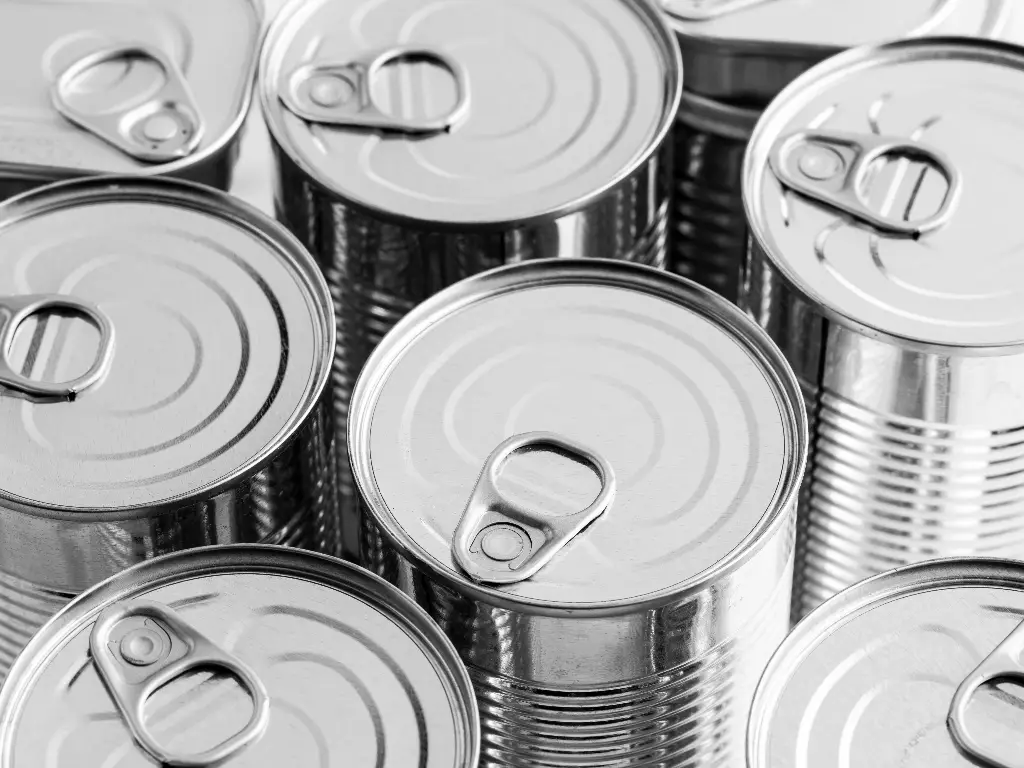
Een harde verpakking wordt meestal mechanisch verzegeld. In het geval van metalen blikken is dat het Double Seaming-proces.
- Betrouwbaarheid: Het naaien gebeurt volledig mechanisch - onder hoge druk in elkaar grijpende metalen haken. Er is geen chemische hechting of verblijftijd door warmte nodig.
- Kwaliteitscontrole: Een naaimachine is een machine met uiterst precieze rollen. De kwaliteit van een naad kan worden gecontroleerd aan de hand van de parameters die zijn vastgelegd (verzonken diepte, naaddikte). Technologieën zoals vacuümvervaltests of deeltjesdetectie (het horen ploppen van een deksel) kunnen op volle snelheid voor 100% worden gecontroleerd.
Flexibele verpakking is gebaseerd op Heat Sealing. Dit houdt drie variabelen in: Temperatuur, druk en tijd.
- Verontreinigingsrisico: Als er tijdens het vullen product (poederstof, vloeistofspatten, olie) in het sealgebied terechtkomt, zal de heatseal falen. Dit wordt sealvervuiling genoemd.
- Inspectie Moeilijkheid: Het is erg moeilijk om een microlek te detecteren in een flexibele zak. Langzame lekken worden niet altijd ontdekt door in de zak te knijpen. Niet-destructief onderzoek van zakken (zoals ultrasone verzegelingsinspectie) is duur en kan een knelpunt vormen.
- Meenemen: Voor zeer gevoelige producten zoals zuigelingenvoeding, zuivel of vlees met een lange houdbaarheid biedt de mechanische zekerheid van een stijve dubbele naad een veel hogere veiligheidsmarge en een eenvoudigere kwaliteitscontrole.
Omschakelen van apparatuur en flexibiliteit
Flexibiliteit in productie is de snelheid waarmee je kunt wisselen tussen product A en product B.
Starre lijnen zijn vaak minder flexibel als het gaat om het veranderen van containergrootte.
- Het proces: Om een blik van 300 ml om te bouwen naar een blik van 500 ml (andere diameter), moeten operators de wisselonderdelen fysiek demonteren en installeren. Het gaat om sterwielen, timerschroeven, geleiderails en afdichtingsplaten.
- De kosten: Deze componenten zijn omvangrijk, duur voor machines en hebben ruimte nodig om opgeslagen te worden. Omschakelen kan uren duren, wat veel stilstand veroorzaakt.
- Toepassing: Starre leidingen zijn het meest geschikt voor speciale runs waarbij de machine dagen of weken lang dezelfde container gebruikt.
Hier zijn moderne flexibele verpakkingsmachines, vooral kant-en-klare buidelmachines, superieur.
- Het proces: Het is gebruikelijk om de zakbreedte te wijzigen door een nieuw recept in te voeren in de HMI (Human Machine Interface). De breedte van de grijpers wordt automatisch aangepast door de servomotoren.
- Het voordeel: Je kunt een kleine snackzak in minder dan 30 minuten veranderen in een grote gezinsverpakking met behulp van een paar hulpmiddelen.
- Meenemen: De snelle omschakeling van flexibele apparatuur is een enorm operationeel voordeel voor co-packers (loonfabrikanten) met tientallen klanten en SKU's per dag.
De vloeroppervlakteparadox: Magazijn vs. Fabriek
Het is een mythe dat flexibele verpakkingen ruimte besparen. Zoals hierboven vermeld, bespaart het magazijnruimte, maar het verbruikt vaak veel meer fabrieksruimte.
Het contrast: Ja, 20 pallets met blikken zijn gelijk aan één pallet met folierollen. Flexibele verpakkingen zullen favoriet zijn bij uw magazijnbeheerder.
De Paradox: Uw productiemanager heeft misschien een andere realiteit. Om een verwerkingscapaciteit van 300 eenheden per minuut te hebben:
- Stijve oplossing: Er kan een enkel monoblok voor een roterende zuigervuller en naaimachine nodig zijn. Het is klein van formaat, misschien 4 meter bij 3 meter.
- Flexibele oplossing: Een enkele roterende verpakkingsmachine kan slechts 50 eenheden per minuut verwerken. Er zouden zes van deze machines naast elkaar nodig zijn om 300 eenheden per minuut te produceren, en het ingewikkelde distributiesysteem stroomopwaarts om het product naar zes hoppers te voeren.
We hebben fabrieken gezien die overschakelden op het gebruik van zakken in plaats van blikken, om er vervolgens achter te komen dat ze hun gebouw groter moesten maken om plaats te bieden aan het vereiste aantal zakkenmachines om hetzelfde productieniveau als voorheen te behalen. Bij het berekenen van de ROI moet je de doorvoer per vierkante meter fabrieksvloer berekenen. Stijve lijnen zorgen bijna altijd voor een hogere productiedichtheid.
Eindoordeel: Kiezen op basis van bedrijfsmodel
Tot slot is de keuze van het type verpakking een compromis tussen de logistieke kosten en de efficiëntie van de productie.
- Kies voor flexibele verpakking als: U bent een co-packer met een grote variëteit aan SKU's; uw toeleveringsketen is lang en vrachtgevoelig; of u richt zich op een "milieuvriendelijke" doelgroep die lichtgewicht gelijkstelt aan duurzaamheid. Gangbare voorbeelden van flexibele verpakkingen, zoals zakjes, bieden compacte bescherming voor consumenten die onderweg zijn.
- Kies voor harde verpakkingen als: U bent een merkeigenaar die grote volumes van kernproducten produceert; uw product vereist vacuüm- of drukbestendigheid; u hebt automatisering met hoge snelheid nodig om de kosten per eenheid te verlagen; of uw product vereist de hoogste standaard op het gebied van sealintegriteit en houdbaarheid. Hoewel er nadelen zijn aan harde verpakkingen met betrekking tot gewicht, wegen de voordelen van harde verpakkingen op het gebied van snelheid en betrouwbaarheid vaak zwaarder.
Wanneer uw analyse gericht is op de betrouwbaarheid, snelheid en bescherming van harde verpakkingen, is het volgende dat u apparatuur moet kiezen die deze voordelen maximaliseert.
Op LevapackWe zijn gespecialiseerd in zeer nauwkeurige conserven- en verpakkingsoplossingen voor de stijve markt. Met meer dan 18 jaar ervaring in engineering en een aanwezigheid in meer dan 100 landen, begrijpen we de specifieke behoeften van fabrikanten, variërend van kleine en middelgrote ondernemingen tot wereldwijde exporteurs. Onze apparatuur - variërend van vacuüm stikstofvulling voor hoogwaardige poeders tot robuuste inbliklijnen voor viskeuze vloeistoffen - is gebouwd met een focus op stabiliteit en duurzaamheid.
We gebruiken eersteklas componenten (Siemens, SMC, Mitsubishi) en CNC-bewerkte onderdelen met een tolerantie van 2 μm om ervoor te zorgen dat uw lijn soepel draait, shift na shift. Of u nu een garantie van 14 maanden, een aangepast lay-outontwerp of advies over het optimaliseren van uw naaiproces nodig hebt, ons team staat klaar om u te helpen.
Neem vandaag nog contact op met Levapack om te bespreken hoe we een harde verpakkingslijn kunnen ontwikkelen die uw ROI op productie verhoogt.


 EN
EN  RU
RU  ES
ES  FR
FR  DE
DE  NL
NL  IT
IT  JA
JA  ID
ID  PT
PT  KO
KO