
ผู้ผลิตในอุตสาหกรรมอาหารและเครื่องดื่มจำเป็นต้องเลือกวิธีการบรรจุและกระบวนการเติมที่รับประกันความปลอดภัยของผลิตภัณฑ์อาหาร ขยายอายุการเก็บรักษา รักษาความสดใหม่ และรับประกันว่ากระบวนการทำงานยังคงดำเนินต่อไปได้ การเลือกระหว่างการเติมร้อน (hot fill) กับการเติมเย็น (cold fill) ไม่ใช่เพียงเรื่องของความชอบ แต่เป็นการตัดสินใจทางวิศวกรรมพื้นฐานที่กำหนดโครงสร้างสายการผลิตโดยรวม ความต้องการด้านระบบสาธารณูปโภคของโรงงาน และข้อกำหนดทางเทคนิคของวัสดุบรรจุภัณฑ์ การใช้เทคโนโลยีการบรรจุที่ไม่เหมาะสมจะส่งผลให้ผลิตภัณฑ์เสื่อมคุณภาพ ภาชนะบรรจุเกิดการบิดเบี้ยว และก่อให้เกิดความสูญเสียทางการเงินอย่างมหาศาล คู่มือนี้ให้การเปรียบเทียบทางเทคนิคของทั้งสองเทคนิคอย่างละเอียด โดยวิเคราะห์ข้อกำหนดทางกายภาพของวัสดุบรรจุภัณฑ์ และความเป็นจริงในการดำเนินงานที่อยู่เบื้องหลังการเดินสายการผลิตในโรงงาน วัตถุประสงค์คือเพื่อให้ผู้จัดการฝ่ายผลิตและวิศวกรโรงงานได้รับข้อมูลที่จำเป็นในการพัฒนาระบบบรรจุภัณฑ์ที่มีประสิทธิภาพสูงและเชื่อถือได้.
ความแตกต่างหลักระหว่างการบรรจุแบบร้อนและการบรรจุแบบเย็น
ความแตกต่างพื้นฐานระหว่าง การบรรจุร้อน และกระบวนการบรรจุแบบเย็นนั้นขึ้นอยู่กับกลไกที่ใช้ในการฆ่าเชื้อในระดับเชิงพาณิชย์.
ผลิตภัณฑ์ของเหลวร้อนนั้นเองคือสารฆ่าเชื้อหลักในกระบวนการบรรจุร้อน ผลิตภัณฑ์ถูกให้ความร้อนในเครื่องแลกเปลี่ยนความร้อนจนถึงอุณหภูมิสูง ซึ่งโดยทั่วไปอยู่ระหว่าง 85°C ถึง 95°C (185°F ถึง 203°F) จากนั้นผลิตภัณฑ์จะถูกฉีดเข้าไปในภาชนะบรรจุทันที ผนังด้านในของภาชนะจะถูกฆ่าเชื้อด้วยความร้อนจากผลิตภัณฑ์ เมื่อปิดฝาแล้ว ภาชนะมักจะถูกกลับหัวหรือวางไว้ในอุณหภูมิสูงเป็นระยะเวลาหนึ่ง เพื่อให้แน่ใจว่าของเหลวร้อนนั้นฆ่าเชื้อด้านในของฝาด้วย.
กระบวนการบรรจุเย็นดำเนินการที่อุณหภูมิห้องหรืออุณหภูมิเย็น เนื่องจากผลิตภัณฑ์ไม่มีพลังงานความร้อนที่จำเป็นเพื่อกำจัดเชื้อโรคพืชและจุลินทรีย์ที่ทำให้ผลิตภัณฑ์เสื่อมคุณภาพ กระบวนการนี้จึงต้องพึ่งพาวิธีการอื่นเพื่อรับประกันความปลอดภัยของผลิตภัณฑ์ ซึ่งอาจรวมถึงการใช้สารกันเสียหรือสารเติมแต่งในกระบวนการผลิตบรรจุเย็นปกติ การบรรจุแบบเย็นปลอดเชื้อ (aseptic cold fill) ประกอบด้วยการพาสเจอไรซ์แบบแฟลชและการทำให้ผลิตภัณฑ์เย็นลง ตามด้วยการฆ่าเชื้อภาชนะบรรจุและฝาปิดด้วยสารเคมี เช่น ไฮโดรเจนเปอร์ออกไซด์หรือกรดเพอราซิติก จากนั้นผลิตภัณฑ์ที่ปลอดเชื้อและบรรจุภัณฑ์ที่ปลอดเชื้อจะถูกนำมารวมกันในห้องแยกปลอดเชื้อที่มีการควบคุมอย่างเข้มงวด.
| พารามิเตอร์กระบวนการ | การบรรจุร้อน | การบรรจุในสภาพเย็น (แบบปลอดเชื้อ) |
| อุณหภูมิการเติม | 85°C – 95°C (185°F – 203°F) | อุณหภูมิห้อง หรือ อุณหภูมิต่ำ |
| สารฆ่าเชื้อหลัก | ผลิตภัณฑ์ของเหลวที่ได้รับความร้อนนั้นเอง | สารฆ่าเชื้อทางเคมี (เช่น ไฮโดรเจนเปอร์ออกไซด์) |
| การฆ่าเชื้อในตู้คอนเทนเนอร์ | ฆ่าเชื้อโดยการสัมผัสโดยตรงกับของเหลวร้อน | ผ่านการฆ่าเชื้ออย่างอิสระก่อนขั้นตอนการบรรจุ |
| ข้อกำหนดด้านสิ่งแวดล้อม | สภาพโรงงานด้านสุขอนามัยตามมาตรฐาน | ห้องแยกเชื้อปลอดเชื้อระดับเภสัชกรรม |
| ข้อกำหนดเกี่ยวกับสารกันเสีย | รักษาความสดตามธรรมชาติด้วยวิธีการให้ความร้อนและปิดผนึกแบบสุญญากาศ | ต้องใช้สารกันเสีย (ตามมาตรฐาน) หรือปฏิบัติตามหลักการปลอดเชื้ออย่างเคร่งครัด |
ความแตกต่างหลักนั้นเรียบง่าย: การบรรจุร้อนอาศัยการถ่ายโอนพลังงานความร้อนอย่างต่อเนื่อง ส่วนการบรรจุเย็นแบบปลอดเชื้ออาศัยการฆ่าเชื้อด้วยสารเคมีแบบอิสระและการแยกสภาพแวดล้อมอย่างเคร่งครัด.
กระบวนการบรรจุแบบเย็น: เหมาะสำหรับผลิตภัณฑ์นมและเครื่องดื่มที่มีก๊าซคาร์บอนไดออกไซด์
การบรรจุในสภาพเย็น โดยเฉพาะอย่างยิ่งการบรรจุในสภาพเย็นแบบปลอดเชื้อ ถูกใช้ในส่วนตลาดเฉพาะที่อุณหภูมิสูงอาจทำให้ผลิตภัณฑ์หรือบรรจุภัณฑ์เสียหายได้ นี่เป็นกระบวนการที่จำเป็นสำหรับผลิตภัณฑ์ที่เสื่อมสภาพได้ง่ายเมื่อถูกความร้อนอย่างต่อเนื่อง.
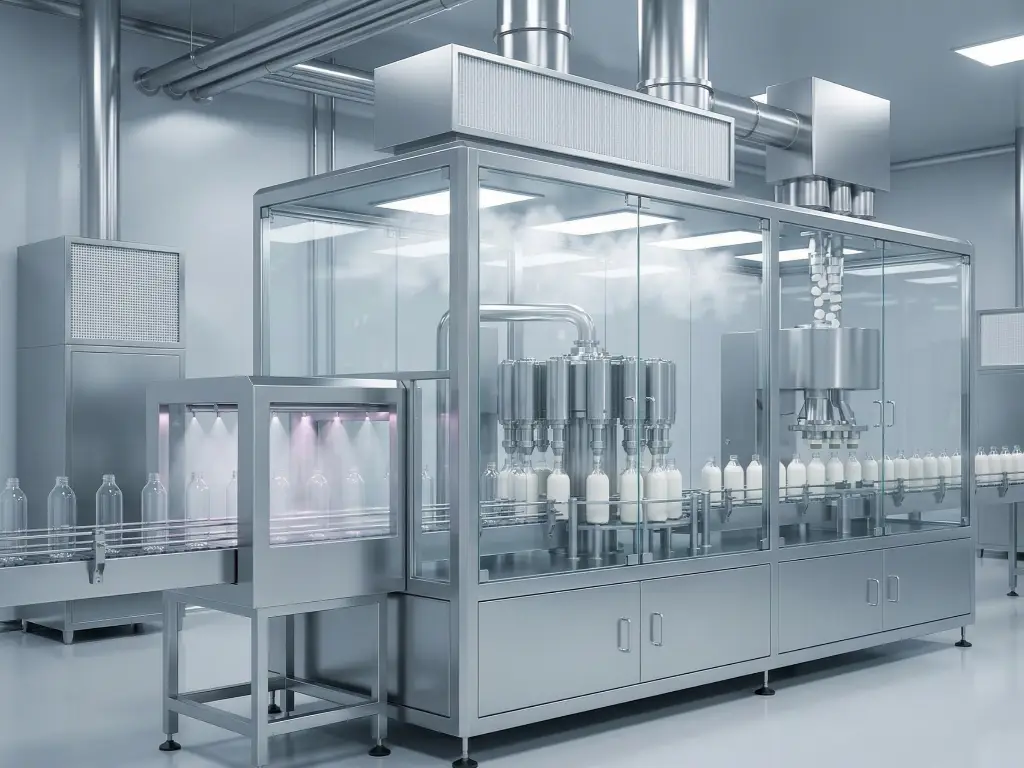
โปรตีนที่ซับซ้อนมีอยู่ในผลิตภัณฑ์จากนม เช่น นมสดและเครื่องดื่มโยเกิร์ต ซึ่งจะเกิดการเปลี่ยนโครงสร้างเมื่อถูกความร้อนเป็นเวลานานในกระบวนการบรรจุร้อนแบบทั่วไป ผลิตภัณฑ์นมจากพืชมีปัญหาการเสื่อมสภาพทางความร้อนเช่นเดียวกัน นอกจากนี้ เครื่องดื่มที่มีก๊าซคาร์บอนไดออกไซด์และผลิตภัณฑ์เครื่องดื่มอื่น ๆ เช่น น้ำอัดลม เครื่องดื่มกีฬา น้ำแร่มีฟอง และเบียร์ จำเป็นต้องรักษาอุณหภูมิต่ำเพื่อรักษาให้ก๊าซคาร์บอนไดออกไซด์ละลายอยู่ในของเหลว การให้ความร้อนกับของเหลวที่มีก๊าซคาร์บอนไดออกไซด์จะทำให้ก๊าซขยายตัวอย่างรุนแรง ซึ่งทำให้การบรรจุเป็นไปไม่ได้ทางกายภาพ และทำลายลักษณะการอัดก๊าซของผลิตภัณฑ์.
การบรรจุแบบเย็นช่วยให้สามารถลดน้ำหนักของภาชนะพลาสติกได้อย่างมากในด้านการวิศวกรรมบรรจุภัณฑ์ เนื่องจากภาชนะไม่จำเป็นต้องทนต่อความช็อกทางความร้อนที่อุณหภูมิ 90°C จากผลิตภัณฑ์ร้อน ผู้ผลิตจึงสามารถลดความหนาของผนังขวดโพลีเอทิลีนเทเรฟทาเลต (PET) ได้อย่างมาก ซึ่งช่วยลดน้ำหนักของวัสดุพลาสติกลงได้อย่างมีนัยสำคัญ.
อย่างไรก็ตาม ค่าใช้จ่ายในการติดตั้งสายการผลิตแบบเติมเย็นแบบปลอดเชื้อ (aseptic cold fill line) นั้นสูงมากในแง่ของค่าใช้จ่ายทุน การผลิตแบบปลอดเชื้อจำเป็นต้องมีห้องสะอาด (clean rooms) ระบบฆ่าเชื้อด้วยสารเคมีที่ซับซ้อน ตัวกรองอากาศปลอดเชื้อ และการควบคุมสภาพแวดล้อมอย่างเคร่งครัด โครงสร้างการผลิตแบบเติมเย็นนี้ต้องการการลงทุนจากผู้ผลิตนม เครื่องดื่มมีก๊าซ หรือผู้ที่ใช้ขวด PET ที่บางมาก โรงงานที่ไม่ได้อยู่ในเกณฑ์เฉพาะเหล่านี้ มักต้องรับภาระทางการเงินที่มหาศาลและกระบวนการบำรุงรักษาโครงสร้างพื้นฐานการบรรจุเย็นที่ซับซ้อน ซึ่งไม่จำเป็นและไม่มีประสิทธิภาพ.
กระบวนการบรรจุร้อน: มาตรฐานสำหรับซอสและน้ำผลไม้
การบรรจุแบบร้อนเป็นมาตรฐานอุตสาหกรรมในการจัดการกับผลิตภัณฑ์ที่มีความเป็นกรดสูง ซึ่งโดยทั่วไปกำหนดจากค่า pH ที่ต่ำกว่า 4.6 กลุ่มผลิตภัณฑ์นี้ครอบคลุมส่วนสำคัญของตลาดอาหารและเครื่องดื่ม เช่น น้ำผลไม้ แยมผลไม้ ซอสมะเขือเทศ พริกแกง เนื้อผลไม้บด และน้ำเชื่อมข้น.
ความกรดของอาหารเหลวที่มีความเป็นกรดสูงเหล่านี้ทำให้สภาพแวดล้อมไม่เหมาะสมต่อการเจริญเติบโตของจุลินทรีย์ที่เป็นอันตรายและสปอร์ของแบคทีเรียที่อันตราย ซึ่งที่พบมากที่สุดคือ Clostridium botulinum ดังนั้น การใช้ความร้อนสูงระหว่าง 85°C ถึง 95°C ก็เพียงพออย่างยิ่งที่จะทำลายเชื้อโรคที่อยู่ในระยะเจริญเติบโต ยีสต์ และเชื้อราที่ยังเหลืออยู่ได้ ผลิตภัณฑ์ที่ร้อนนี้สามารถฆ่าเชื้อในภาชนะได้อย่างมีประสิทธิภาพเมื่อสัมผัสโดยตรง.

วิธีการบรรจุร้อนนี้ไม่จำเป็นต้องมีสภาพแวดล้อมห้องสะอาดที่มีค่าใช้จ่ายสูงและสารฆ่าเชื้อทางเคมี นอกจากนี้ ยังไม่จำเป็นต้องใช้ระบบกรองอากาศระดับเภสัชกรรมและห้องแยกที่ซับซ้อนในพื้นที่การผลิต ดังนั้น ค่าใช้จ่ายทุนเริ่มต้นสำหรับสายการผลิตบรรจุร้อนแบบครบวงจรจึงต่ำกว่าค่าใช้จ่ายทุนเริ่มต้นสำหรับสายการผลิตบรรจุเย็นแบบปลอดเชื้ออย่างมาก.
การบรรจุแบบร้อนยังช่วยยืดอายุการเก็บรักษาของผลิตภัณฑ์อาหารที่เก็บไว้ที่อุณหภูมิห้องได้อย่างเป็นธรรมชาติ โดยผู้ผลิตไม่จำเป็นต้องเพิ่มสารกันบูดทางเคมีสังเคราะห์ การรักษาด้วยความร้อนสูงร่วมกับการปิดผนึกแบบสุญญากาศช่วยสร้างชั้นป้องกันที่แข็งแกร่งมากต่อการเกิดออกซิเดชันและการปนเปื้อนจากจุลินทรีย์ การบรรจุแบบร้อนให้ความน่าเชื่อถือในการดำเนินงานสูงสุดและผลตอบแทนจากการลงทุนในอุปกรณ์สูงสุดแก่ผู้ผลิตที่บรรจุซอสข้น แป้งข้น และของเหลวที่มีความเป็นกรดสูงลงในภาชนะแข็ง.
ประสิทธิภาพของภาชนะบรรจุ: กระป๋องโลหะ, แก้ว และขวดพลาสติก
ลักษณะของกระบวนการบรรจุร้อนที่มีอุณหภูมิสูงก่อให้เกิดแรงเครียดอย่างรุนแรงต่อวัสดุบรรจุภัณฑ์ การเข้าใจพฤติกรรมทางกายภาพที่แม่นยำของภาชนะบรรจุต่าง ๆ เมื่อถูกฉีดผลิตภัณฑ์ที่อุณหภูมิ 90°C เป็นขั้นตอนสำคัญในการออกแบบสายการผลิต.
กระป๋องโลหะ: ความสมบูรณ์ของชั้นเคลือบและพื้นที่ว่างด้านบน
กระป๋องโลหะทำจากแผ่นดีบุกหรืออลูมิเนียม และเป็นตัวนำความร้อนได้ดีมาก คุณสมบัตินี้ทำให้กระป๋องมีประสิทธิภาพสูงในการทำให้น้ำเย็นลงอย่างรวดเร็วทันทีหลังจากเติมน้ำร้อนเข้าไป อย่างไรก็ตาม กระบวนการฉีดขึ้นรูปที่อุณหภูมิสูงก่อให้เกิดความเสี่ยงบางประการต่อโครงสร้างภายในของกระป๋อง.
ผลิตภัณฑ์ที่มีความเป็นกรดสูง เช่น น้ำมะเขือเทศเข้มข้นหรือน้ำผลไม้เข้มข้น เมื่อรวมกับอุณหภูมิการบรรจุที่ใกล้ถึง 95°C อาจทำลายและทำให้ชั้นเคลือบภายในที่ไม่มี BPA แต่มีคุณภาพต่ำเสื่อมสภาพได้ หากหัวฉีดของเครื่องบรรจุขูดด้านข้างของกระป๋องระหว่างกระบวนการ หรือชั้นเคลือบภายในถูกทำลายจากความช็อกทางความร้อน ผลิตภัณฑ์ที่มีความเป็นกรดจะเกิดปฏิกิริยากับพื้นผิวโลหะ ซึ่งก่อให้เกิดมลพิษจากโลหะหนักและทำให้ผลิตภัณฑ์เสียคุณภาพ.
นอกจากนี้ การควบคุมพื้นที่ว่างด้านบนอย่างแม่นยำเป็นสิ่งจำเป็น อุปกรณ์ควรปรับปริมาณการบรรจุให้เหมาะสม เพื่อรองรับการขยายตัวทางกายภาพของผลิตภัณฑ์ที่ร้อน พื้นที่ว่างด้านบนนี้ควรถูกปิดผนึกโดยใช้เทคโนโลยีการฉีดไอน้ำหรือเทคโนโลยีสุญญากาศเชิงกล เพื่อขับออกซิเจนที่เหลืออยู่ในพื้นที่ว่างด้านบนให้หมด ก่อนที่จะปิดฝาลง ซึ่งช่วยป้องกันการเกิดออกซิเดชันของผลิตภัณฑ์ และทำให้การปิดผนึกแน่นหนาและปลอดภัยในระหว่างกระบวนการระบายความร้อนและการหดตัวในขั้นตอนต่อไป.
ขวดแก้ว: การป้องกันการช็อกความร้อน
แก้วเป็นมาตรฐานระดับสูงสำหรับแยมคุณภาพสูง ซอสสำหรับนักชิม และผลิตภัณฑ์ถนอมอาหาร มันมีคุณสมบัติเป็นชั้นกั้นออกซิเจนที่มีประสิทธิภาพสูง ไม่เกิดปฏิกิริยาทางเคมี และช่วยให้มองเห็นผลิตภัณฑ์ได้ชัดเจนที่สุด อย่างไรก็ตาม ขวดและกระปุกแก้วมีความไวต่อความเปลี่ยนแปลงอุณหภูมิอย่างรุนแรง.
เมื่อของเหลวที่มีอุณหภูมิ 90°C ถูกฉีดเข้าไปอย่างรวดเร็วในขวดแก้วที่วางอยู่ในโรงงานที่มีอุณหภูมิห้อง 20°C ความแตกต่างของอุณหภูมิที่เกิดขึ้นอย่างกะทันหันจะทำให้เกิดการขยายตัวทางความร้อนอย่างรวดเร็วและเฉพาะจุดภายในโครงสร้างแก้ว การขยายตัวที่กะทันหันนี้ก่อให้เกิดแรงดันภายในที่สูงมาก ซึ่งนำไปสู่การเกิดรอยแตกขนาดเล็กและการแตกหักของแก้วอย่างรุนแรงโดยตรงบนสายพานลำเลียงการบรรจุ.
เพื่อลดความเสี่ยงในการดำเนินงานนี้ โครงสร้างสายการผลิตแบบเติมร้อนแบบมืออาชีพควรมีอุโมงค์อุ่นล่วงหน้า โดยขวดแก้วที่ว่างจะถูกส่งผ่านสภาพไอน้ำหรือน้ำร้อนที่ควบคุมอุณหภูมิอย่างแม่นยำ เพื่อเพิ่มอุณหภูมิพื้นผิวอย่างช้าๆ จนถึงประมาณ 60°C ก่อนที่จะผ่านหัวเติม นี่เป็นกระบวนการที่ได้รับการคำนวณอย่างละเอียด ซึ่งช่วยลดความแตกต่างของอุณหภูมิและขจัดความเสี่ยงทางกายภาพจากความช็อกทางความร้อน พร้อมทั้งรับประกันการผลิตความเร็วสูงอย่างต่อเนื่องและปลอดภัย.
กระป๋องพลาสติก: วิธีหลีกเลี่ยงการเกิดริบ
การใช้ภาชนะพลาสติก โดยเฉพาะอย่างยิ่งขวด PET ปากกว้าง สำหรับกระบวนการบรรจุร้อน ก่อให้เกิดความท้าทายทางโครงสร้างที่ซับซ้อน เนื่องจากสายโซ่โมเลกุลของ PET หรือโพลีโพรพิลีนมาตรฐานจะเริ่มเปลี่ยนรูปและละลายเมื่ออุณหภูมิสูงกว่า 60°C.
ผู้ผลิตควรระบุให้ชัดเจนว่าภาชนะ PET เป็นแบบ heat-set ภาชนะเหล่านี้ผลิตด้วยกระบวนการพิเศษที่จัดเรียงผลึกของโพลิเมอร์ให้อยู่ในแนวเดียวกัน ทำให้สามารถทนต่ออุณหภูมิได้สูงถึง 95°C โดยไม่เกิดความเสียหายทางโครงสร้าง อย่างไรก็ตาม ปัญหาทางวิศวกรรมหลักเกิดขึ้นหลังจากกระบวนการบรรจุสินค้า คือในช่วงกระบวนการทำให้เย็นลง.
The volume of the hot liquid product decreases as it cools down to room temperature. This heating contraction forms a strong internal vacuum within the closed jar. This vacuum force will cause the walls of a normal, smooth-walled plastic jar to be drawn inwards, forming a serious structural defect called paneling. To avoid paneling, heat-set plastic containers should have structural ribs, horizontal bands, or special vacuum panels designed directly into the side walls. These geometric design features absorb the vacuum force, which keeps the structure intact and the aesthetic look of the jar on the retail shelf.
Hidden Operational Costs and Engineering Realities
When assessing packaging equipment, one should not just consider the initial cost of purchase. The actual cost of a production line is determined by the operational cost and the daily engineering costs of operating the machine on the factory floor.
CIP (Clean-in-Place) and Maintenance Costs
Sanitation procedures severely determine production availability and overall output. The cold fill aseptic lines demand very complicated, multi-phase Clean-in-Place (CIP) and Sterilize-in-Place (SIP) processes. A changeover of a product in an aseptic line requires flushing the whole system with costly chemical sterilants, and then a lot of sterile water rinses. This is a required procedure that can easily take four to six hours, leading to huge production downtime.
On the other hand, hot fill lines provide very smooth cleaning procedures. Since the whole fluid route is designed to work with extreme temperatures, the equipment is usually washed and sterilized with the circulation of hot water and high-pressure steam. This is a thermal cleaning process that does not need a lot of chemical detergents and can be finished within less than two hours. The high level of savings in the recurring chemical purchasing and a tremendous improvement in the machine uptime offer a quantifiable operational cost benefit over the equipment life cycle and streamline post-production logistics.
Cooling Tunnels and Vacuum Seal Formation
The hot filling process is not completed at the capping station. The product should be chilled quickly. When a 90°C container of fruit preserve or tomato sauce is packed into a cardboard carton and allowed to cool at ambient temperature, the extended heat treatment serves as a long cooking period. This kills the nutritional profile, compromises the color, and changes the taste of the product.
Multi-stage step-down water cooling tunnels are used in professional packaging lines. These large conveyor systems spray the sealed containers with progressively cooler water, safely reducing the core temperature of the product from 90°C to below 40°C in a matter of minutes.
The vacuum seal is also triggered by this rapid cooling process. The metal closure is pulled downwards by the rapid contraction of the headspace gas. This is a physical act that creates the concave seal and creates the audible pop that is related to food safety and package integrity.
Filling Valve Design for Particulates
The thick sauces, chunky salsas, or fruit jam with solid particulates will need special mechanical engineering at the filling station. Normal gravity valves or mass flow meters employed in clear liquid cold filling processes will smash soft fruit particulates or result in serious clogs in the piping.
Hot filling machinery designed for highly viscous materials utilizes rotary valve piston fillers or specialized lobe pumps. These strong mechanisms attract an accurate volumetric measurement of the thick product and force it into the container without crushing or shearing the solid pieces. The internal valves and nozzles are cut with big open passages. This is to guarantee that products with large solids, like high-quality strawberry jam or diced vegetable soup, retain their precise physical integrity between the holding tank and the final container.
Choosing the Right Packing Equipment for Your Line
To choose the right equipment architecture, it is necessary to match the capabilities of the machinery with the physical characteristics of the product and the limitations of the manufacturing plant. The basic decision logic is simple: when the product belongs to the category of high-acid foods, thick pastes, or dry powders, and the target packaging is made of metal cans, glass jars, or heat-resistant plastics, hot filling or special vacuum sealing is the necessary operational architecture.
In order to conduct a systematic assessment of packaging machinery, production engineering teams have to examine a number of key factors prior to making a final purchase:
| Evaluation Criteria | Key Considerations | Engineering Impact |
| Product Properties | pH level, liquid viscosity, thermal sensitivity, and presence of solid particulates. | Dictates the core filling technology (hot vs. cold) and specific valve mechanics (e.g., piston valves for thick sauces). |
| Container Material | Glass jars, metal cans (tinplate/aluminum), or heat-set PET plastics. | Determines required structural handling, such as pre-heating tunnels for glass or vacuum control systems for metal cans. |
| Equipment Construction | 1.5mm to 2mm 304/316 stainless steel, universally recognized electronic and pneumatic components. | Guarantees extreme corrosion resistance against acidic hot liquids and ensures rapid local sourcing of replacement parts. |
| System Flexibility | Modular machine design, rapid tooling changeovers, and multi-container compatibility. | Maximizes overall equipment effectiveness (OEE) by allowing the production line to process different SKUs with minimal downtime. |
| Pre-Shipment Validation | Documented Factory Acceptance Testing (FAT), seam structure analysis, and vacuum degree testing. | Prevents costly installation delays and guarantees strict food safety compliance immediately upon factory deployment. |
Along with the process of core filling, the facility managers should carefully consider the flexibility of equipment. Single-item production lines are not common. The equipment should be designed with modular designs that can be easily changed to various container volumes and materials. A very efficient system will not need to undergo a huge retooling process or a long operational shutdown to move on to sealing metal tinplate cans, capping glass jars, or rigid plastic containers.
The sourcing of components has a direct effect on the long-term operation cost and overall machine life. Products that are processed at a high temperature of 90°C are very corrosive. Thus, production managers should ensure that high-grade stainless steel is used in all parts of the products that are in contact with the product and the main machine frames. Moreover, the electronic and pneumatic core systems must incorporate standard and globally accepted brands. The use of universal components will also guarantee that the maintenance staff can get the spare parts locally, eliminating the need to spend a long time in the facility when there is a major mechanical breakdown.
Lastly, procurement engineers should insist on strict pre-shipment verification. To ensure reliable equipment procurement, thorough testing under load must be done prior to delivery. In the case of canning and jarring lines, in particular, the equipment supplier should provide documented inspection of seal quality, such as analysis of seam structure, testing of vacuum degree, and analysis of remaining oxygen. Confirmation of these specific parameters prior to shipment will ensure that the equipment will comply with stringent food safety standards and output performance requirements as soon as it is installed in the final factory.
Next Steps for Your Canning and Jarring Project
Handling high-viscosity liquids, chunky fruit jams, or highly acidic tomato sauces at 90°C demands precision-engineered systems to prevent valve clogging, irregular volumetric dosing, and container deformation. Although standard equipment suffices for cold, thin liquids, complex hot sauces require specialized architecture to maintain continuous line efficiency.
Standard fillers often struggle with the severe thermal stress and particulate management required in hot filling. Levapack engineers specialized hot-fill liquid and sauce packaging solutions designed to eliminate these exact operational hurdles.
Utilizing robust piston-filling technology and heavy-duty 1.5mm to 2mm food-grade 304/316 stainless steel construction, our equipment effortlessly handles extreme temperatures and heavy particulates without shearing the product or clogging the fluid path. From custom nozzle configurations engineered to prevent splashing during high-temperature injection to precise servo-driven controls delivering sub-1% fill accuracy, the machinery is built to ensure uncompromising product integrity.
These automated systems adapt seamlessly across metal cans, glass jars, and heat-resistant PET containers. Combined with advanced vacuum sealing, double-seaming technology, and integrated multi-stage cooling tunnels, the complete line architecture guarantees extended shelf life and strict food safety compliance.
For production managers and facility engineers planning a new hot-filled sauce หรือ high-acid beverage line, consulting with an experienced engineering team is the most effective method to optimize facility layout and eliminate technical risks. Contact the Levapack engineering consultants today to discuss your specific viscosity challenges and receive a fully customized hot fill equipment sizing and operational layout proposal.


 EN
EN  RU
RU  ES
ES  FR
FR  DE
DE  NL
NL  IT
IT  JA
JA  ID
ID  PT
PT  KO
KO  AR
AR  TH
TH  VI
VI  TR
TR  PL
PL