
Se si va nel reparto bevande di qualsiasi supermercato, non si può ignorare la preminenza del confezionamento asettico. Questa tecnologia ha trasformato il modo in cui i consumatori acquistano gli alimenti liquidi, sia che si tratti di latte conservabile o di sostituti a base vegetale, sia che si tratti di monodosi in cartoni asettici. Ha permesso ai marchi di aggirare la catena del freddo estesa e di accedere a mercati che erano logisticamente irraggiungibili.
Ma si tratta di due discipline molto diverse: vedere una tendenza di mercato e investire in infrastrutture produttive. Per un direttore di produzione o un proprietario di fabbrica, non si tratta semplicemente di "cosa è popolare", ma di "cosa è fattibile". Ma "che cosa è fattibile?".
I sistemi di confezionamento asettico rappresentano un enorme investimento di capitale e un cambiamento importante nelle operazioni. Prima di intraprendere questa strada, è necessario decidere se il prodotto, il budget e la catena di fornitura ne hanno bisogno.
Per aiutarvi a prendere questa decisione, dobbiamo prima eliminare il gergo del marketing e guardare alla verità ingegneristica del processo asettico.
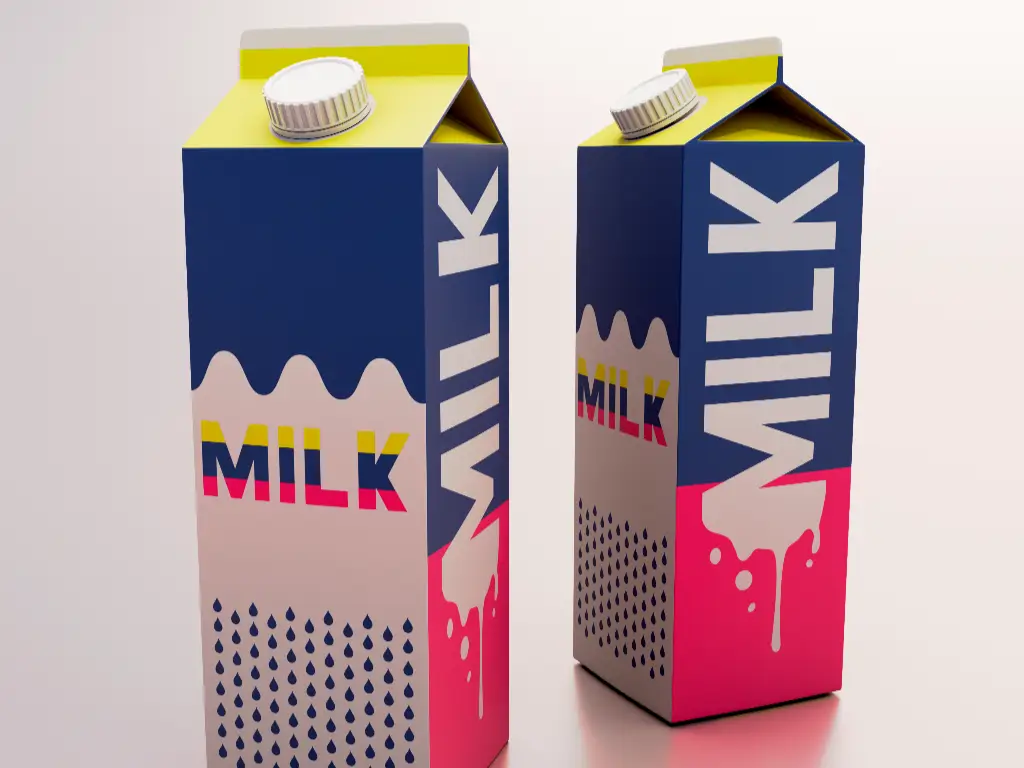
Comprendere il nucleo del processo asettico
La separazione è il livello più elementare del processo asettico. A differenza del processo di inscatolamento convenzionale, in cui il prodotto e il contenitore vengono sterilizzati insieme, la tecnologia asettica sterilizza il prodotto e il contenitore separatamente e poi li unisce in un ambiente sterile.
Si compone di tre fasi diverse e coordinate:
- Sterilizzazione del prodotto: Il prodotto liquido viene sottoposto a un trattamento termico, di solito ad altissima temperatura (UHT). Viene riscaldato rapidamente ad alte temperature (di solito superiori a 135°C) in pochi secondi tramite iniezione o infusione di vapore e poi raffreddato. Spesso il prodotto viene tenuto in un tubo di contenimento per un tempo preciso, per garantire la sicurezza. Questo riscaldamento istantaneo uccide i batteri senza cuocere il prodotto in pochi minuti, conservandone il sapore.
- Sterilizzazione dei contenitori: I materiali di confezionamento, solitamente un laminato di carta, polietilene e un sottile strato di foglio di alluminio, vengono sterilizzati in modo indipendente. In questo modo si garantisce la sterilizzazione completa del materiale di confezionamento. La sterilizzazione avviene in genere in un bagno chimico di perossido di idrogeno (H2O2) o in alcune linee più moderne di tecnologia a fascio di elettroni (E-beam).
- Accoppiamento sterile: Il prodotto sterile viene inserito nel contenitore sterile in una camera sterile sigillata ermeticamente. Il macchinario ha una pressione positiva di aria sterile per garantire che nessun contaminante aereo entri nell'area di riempimento.
Questa tecnologia è ora lo standard industriale per i prodotti a bassa acidità che devono essere conservati a temperatura ambiente, compresi i latticini, il latte di soia e i frullati nutrizionali ad alto contenuto proteico.
I vantaggi dell'adozione della tecnologia asettica
È necessario comprendere il motivo per cui la tecnologia asettica detiene una quota di mercato così ampia. In alcune linee di prodotti, i vantaggi commerciali e logistici sono rivoluzionari.
- Logistica ambientale
Questa è di solito la motivazione principale per l'adozione. I prodotti asettici non necessitano di refrigerazione durante il trasporto o lo stoccaggio. Per i distributori, questo elimina le elevate spese energetiche della catena del freddo (camion e magazzini refrigerati), utilizzando molta meno energia nell'ambiente di distribuzione. Aumenta notevolmente il raggio di vendita, in modo che una fabbrica in una parte del mondo possa spedire su distanze più lunghe verso mercati di esportazione distanti migliaia di chilometri a un costo ragionevole, senza il pericolo di deterioramento dovuto a variazioni della temperatura ambiente.
- Durata di conservazione prolungata
Il confezionamento asettico è molto stabile. La sterilità commerciale dei prodotti dura da 6 a 12 mesi a temperatura ambiente. Questa durata di conservazione prolungata riduce al minimo gli sprechi nella fase di vendita al dettaglio e consente ai produttori di essere più aggressivi nella gestione delle scorte. È possibile produrre in grandi quantità quando gli ingredienti sono di stagione e vendere per un periodo di tempo prolungato.
- Mantenimento della qualità superiore
Il processo di sterilizzazione (UHT) è molto rapido (solo pochi secondi) e, pertanto, il prodotto non è soggetto a degradazione termica come nei processi tradizionali. Le vitamine, il colore e i composti volatili del sapore sono conservati in modo più adeguato. Il consumatore riceve un prodotto più simile a quello fresco che a quello cotto, il che è importante per prodotti sensibili come il latte o i succhi di frutta di alta qualità.
- Etichetta pulita
Le condizioni di sterilità sono un modo per garantire la sicurezza alimentare del prodotto senza l'uso di additivi chimici. I produttori sono in grado di fornire un prodotto a lunga conservazione e privo di conservanti. Questo è in linea con le attuali tendenze dei consumatori che vogliono liste di ingredienti puliti e naturali, per garantire l'assenza di batteri nocivi.
Perché il confezionamento asettico non è una soluzione universale
Sebbene i vantaggi siano evidenti, la tecnologia asettica non è un proiettile d'argento per tutti i produttori. Gli ostacoli sono di natura operativa, finanziaria e ambientale e possono compromettere il ritorno sull'investimento (ROI) o contraddire gli obiettivi di sostenibilità aziendale.
- Elevato CAPEX (spese in conto capitale)
La progettazione dell'ingegneria per produrre e sostenere una zona di riempimento sterile è complicata. Un sistema di confezionamento asettico richiede camere sterili, matrici di valvole complesse (per separare i fluidi di pulizia dal prodotto) e sistemi avanzati di filtraggio dell'aria. Di conseguenza, il prezzo iniziale dell'attrezzatura è di solito due o tre volte superiore a quello di una linea di riempimento a caldo o di inscatolamento convenzionale. Nel caso delle piccole e medie imprese (PMI), questa spesa iniziale è proibitiva.
- Manutenzione e convalida rigorose
La macchina è facile da possedere, ma difficile da gestire. Le linee asettiche devono essere sottoposte a rigorose procedure di "convalida" per dimostrare ai responsabili della sicurezza dell'industria alimentare (come la FDA) che la sterilità viene rispettata e che il sistema raggiunge prestazioni di sterilizzazione equivalenti a quelle di altri metodi approvati. Ciò comporta la presenza di operatori e ingegneri molto competenti, di solito con un dottorato di ricerca o con un livello di specializzazione superiore, per gestire i complicati cicli di sterilizzazione in loco (SIP) e di pulizia in loco (CIP). Una normale squadra di manutenzione potrebbe non essere in grado di mantenere la linea a norma.
- Rischio operativo
Il sistema non prevede alcuna tolleranza per gli errori. Quando si rompe il sigillo di una valvola sterile o si perde momentaneamente la pressione dell'aria sterile, si perde la sterilità dell'intera zona. Rispetto ad altre tecniche, in cui si possono perdere pochi barattoli, una rottura in un processo di confezionamento asettico può richiedere la distruzione dell'intero lotto di produzione (perdita totale del lotto) e un processo di risterilizzazione della macchina che richiede molto tempo.
- Complessità in materia di sostenibilità e riciclaggio
Sebbene le confezioni in cartone asettico siano considerate leggere, il loro ciclo di vita finale è complesso. Questi materiali per confezioni asettiche si basano su una costruzione composita multistrato in cui carta, plastica di polietilene e uno strato barriera (di solito alluminio) sono incollati insieme mediante adesivi. La separazione di questi strati richiede speciali impianti di idropulitura, che la maggior parte dei comuni programmi di riciclaggio municipale non possiede. Di conseguenza, l'impatto ambientale del riciclo può essere negativo rispetto a quello dei monomateriali come le lattine di metallo o il vetro, il che può rappresentare un grave svantaggio per i marchi che credono nell'economia circolare.
- Limiti di applicabilità
Le riempitrici asettiche si basano su complicati meccanismi di ugelli e valvole, tipicamente a base liquida. Hanno difficoltà con vari prodotti alimentari che presentano grandi quantità di particolato. Quando si preparano zuppe dense, pezzi di frutta o prodotti a base di carne, le valvole possono intasarsi o l'azione meccanica può macinare i solidi. Nel caso di questi prodotti ad alta viscosità o ad alto contenuto di solidi, il ROI dell'asettico è molto basso rispetto alle alternative meno complesse.
Le principali alternative di sterilizzazione oltre il trattamento asettico
Se l'analisi indica che il confezionamento asettico potrebbe essere eccessivo rispetto alle vostre esigenze specifiche, non vi mancano le alternative. L'industria alimentare e delle bevande dipende da una serie di altre tecnologie di sterilizzazione consolidate che, in molti casi, offrono un equilibrio più conveniente, efficiente e di qualità del prodotto.
Riempimento a caldo: Efficienza per le bevande ad alta acidità
Il riempimento a caldo è un metodo termico più semplice rispetto al confezionamento asettico, che utilizza la sterilizzazione chimica del contenitore a condizioni ambientali. Sfrutta il calore del prodotto stesso per sterilizzare il contenitore.
Il prodotto viene pastorizzato e riscaldato con scambiatori di calore ad acqua calda fino a una temperatura compresa tra 85 °C e 95 °C. Quindi viene versato direttamente nella bottiglia. Dopo la tappatura, la bottiglia viene solitamente costretta dal sistema di trasporto ad adagiarsi su un fianco o ad inclinarsi. Si tratta della cosiddetta catena di ribaltamento. Si tratta di un metodo di confezionamento importante per garantire che il liquido caldo sia a contatto con la superficie interna del tappo e con la finitura del collo, che sterilizza solo le parti del contenitore che non sono ancora state a contatto con il liquido caldo. Le bottiglie vengono poi portate in un tunnel di raffreddamento per ridurre la temperatura e mantenere il sapore.
Questa è la procedura standard per i prodotti il cui pH è inferiore a 4,6, come i succhi di frutta, i tè pronti da bere e le bevande sportive isotoniche. L'acidità inibisce la crescita dei batteri, mentre il calore distrugge le muffe e i lieviti.
- Pro: L'apparecchiatura è meccanicamente semplice e robusta, a differenza delle delicate matrici di valvole delle riempitrici asettiche. L'investimento iniziale è molto più contenuto.
- Contro: Il contenitore deve essere resistente al calore. Questo limita le bottiglie in vetro o in PET pesante con pannelli sottovuoto (costole) che possono influire sulla libertà di progettazione dell'imballaggio e sui costi dei materiali.
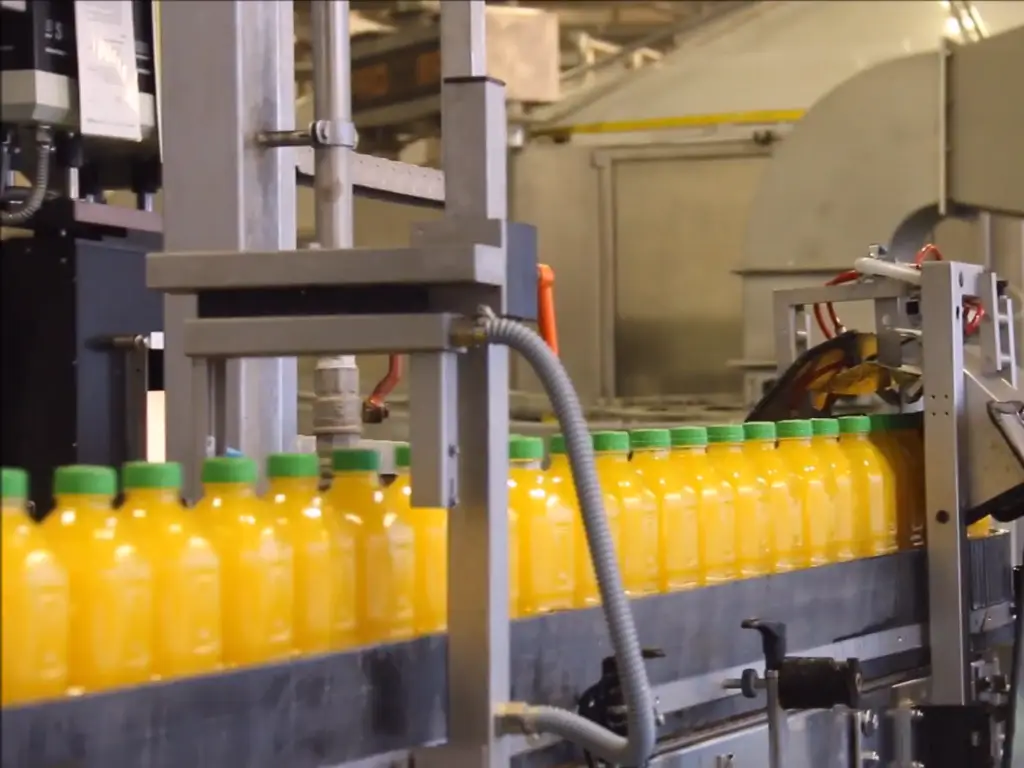
Trattamento in storta: Lo standard per gli alimenti a bassa acidità
A differenza della lavorazione asettica, in cui il prodotto e la confezione si incontrano in una zona sterile, la lavorazione asettica è un'altra cosa.Lavorazione in storta utilizza un metodo di "sterilizzazione post-riempimento". Il cibo viene prima sigillato nel contenitore e poi sterilizzato.
È una tecnica di sterilizzazione post-riempimento. Il cibo viene confezionato nel contenitore sia crudo che semicrudo. I contenitori vengono poi inseriti in una macchina a storta, che è una pentola a pressione di qualità industriale.
Esistono due tipi principali:
- Batch Retort: Le lattine vengono caricate in cestini e messe in una nave dove vengono lavorate e scaricate. In questo modo si ottiene la flessibilità di contenitori di varie dimensioni.
- Retort idrostatico continuo: Si tratta di un'enorme torre in cui le lattine passano continuamente attraverso camere di vapore e acqua.
Questo è lo standard industriale per gli alimenti a bassa acidità (pH > 4,6) con particolato (zuppe, prodotti a base di carne, cibo per animali). Spesso questi solidi non possono essere pompati attraverso le valvole asettiche senza intasarsi, e Retort è la scelta migliore per preservare la consistenza degli alimenti solidi.
- Pro: Offre la migliore sicurezza alimentare (uccide le spore del botulismo). È il metodo più sicuro per manipolare enormi porzioni di carne o verdure senza rompere le attrezzature di riempimento. È altamente resistente e tollerante.
- Contro: Il tempo di riscaldamento prolungato può determinare un profilo di sapore "cotto". Il contenitore deve essere sufficientemente rigido da resistere alle variazioni di pressione (barattoli di metallo, barattoli di vetro o buste specifiche per la conservazione).
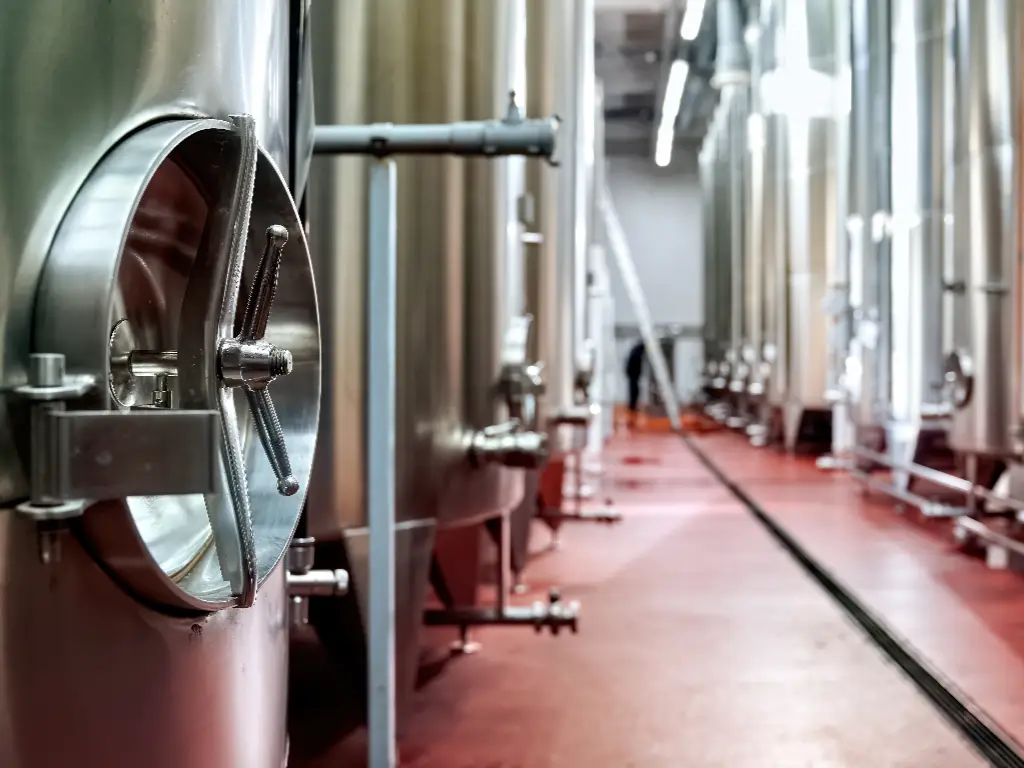
Pastorizzazione a tunnel: Trattamento delicato delle bevande gassate
Sebbene il confezionamento asettico in cartone riguardi la pre-sterilizzazione, la pastorizzazione a tunnel viene applicata al prodotto dopo la chiusura, motivo per cui è la tecnica più adatta nel caso di bevande gassate che non possono essere riempite a caldo.
Una volta che la bevanda è stata riempita e chiusa a freddo, i contenitori vengono trasportati lentamente attraverso un enorme tunnel in acciaio inossidabile, lo Spray Tunnel. Vengono spruzzati con acqua all'interno a temperature gradualmente crescenti fino a raggiungere un plateau di pastorizzazione (tipicamente intorno ai 60-65 °C), mantenuto a quella temperatura fino a ottenere il numero necessario di Unità di Pastorizzazione (PU) e quindi lasciato raffreddare.
Questa è la norma per la birra, il sidro e le bibite gassate, che necessitano di stabilità biologica.
- Pro: Consente la conservazione a temperatura ambiente delle bevande gassate, cosa difficile da fare con le tradizionali riempitrici asettiche a causa del controllo della pressione.
- Contro: L'apparecchiatura occupa uno spazio fisico enorme, che spesso occupa una vasta area del pavimento della fabbrica. Il consumo di energia è dovuto alla quantità di acqua che deve essere riscaldata e raffreddata.
Trattamento ad alta pressione (HPP): L'opzione non termica
L'HPP è un sostituto contemporaneo che evita completamente il calore a favore della fisica, una tecnologia utilizzata anche nell'industria farmaceutica.
Si tratta di un processo batch offline puro. Non è direttamente collegato alla macchina di riempimento. I prodotti pronti, spesso in contenitori o buste di plastica, vengono inseriti in un recipiente riempito d'acqua e pressurizzato a 600 MPa (circa 87.000 psi). Questa pressione elevata uccide le pareti cellulari dei batteri, ma non influisce sui legami chimici covalenti delle vitamine o dei composti aromatici.
Applicato a prodotti ultra-premium come succhi spremuti a freddo, guacamole e salumi.
- Pro: Ha il profilo più simile a quello degli alimenti crudi/freschi e ha una lunga durata di conservazione. Tutti i metodi termici sono inferiori per quanto riguarda la ritenzione nutrizionale.
- Contro: È molto costoso per unità. Di solito comporta una catena di fornitura refrigerata (prolunga la durata di conservazione, ma non la rende necessariamente stabile). Non può essere applicato a contenitori duri come il vetro o il metallo (si romperebbero o si frantumerebbero) e si limita alle plastiche flessibili.
Scegliere la giusta tecnologia di sterilizzazione
Per concludere sulle differenze operative, fare riferimento alla matrice di confronto riportata di seguito.
| Tecnologia | Principio di sterilizzazione | Complessità della linea | Flessibilità dell'imballaggio | Applicazione chiave |
| Asettico | Calore Flash + sterilizzazione chimica | Molto alto (è richiesta una zona sterile) | Alto (cartoni, buste, PET) | Latte, Latte vegetale |
| Riempimento a caldo | Calore del prodotto | Basso (meccanico) | Medio (PET termofissato, vetro) | Succo, tè (acido) |
| Storta | Post-sigillatura Alto calore/pressione | Moderato (Vasi a pressione) | Medio (lattine, barattoli, buste Retort) | Carne, zuppa, solidi |
| Tunnel | Doccia calda post-sigillatura | Moderato (grande impronta) | Alto (lattine, vetro, PET) | Birra, Soda |
| HPP | Pressione isostatica (senza calore) | Moderato (Batch/Fuori linea) | Basso (solo plastica flessibile) | Succo spremuto a freddo |
Se state ancora valutando le vostre opzioni, utilizzate questa lista di controllo per classificare le vostre esigenze in base a diverse condizioni:
- Acidità (pH) e consistenza del prodotto
- Acido elevato (pH < 4,6) e liquido: il riempimento a caldo è il più conveniente e affidabile.
- A bassa acidità (pH > 4,6) e liquido: Richiede un processo asettico (per un sapore migliore) o Retort (per un costo inferiore).
- Particelle (solidi): Pezzi di carne, pezzi di frutta o forte viscosità -> La storta è la soluzione più adatta. solo scelta sicura e affidabile. Le valvole asettiche bloccano o distruggono la consistenza del prodotto.
- Materiale da imballaggio e percezione del consumatore
- Premium Rigid Feel: se il vostro mercato apprezza il peso del vetro o la durata delle lattine in metallo, -> Pastorizzazione Retort o Tunnel.
- Leggero/portatile: Se avete bisogno di cartoni o buste -> Asettico.
- Realtà finanziaria: CAPEX vs. OPEX
- Budget limitato per l'avviamento: -> Riempimento a caldo / Retort. Offrono una barriera d'ingresso ridotta e un'attrezzatura meno complessa.
- Alto volume, lungo termine: -> Asettico. La spesa iniziale è elevata, ma i materiali di confezionamento (carta/film in rotoli) possono essere meno costosi in milioni di unità.
- Catena di approvvigionamento e distribuzione
- Infrastruttura della catena del freddo: Avete una catena del freddo? In caso di risposta affermativa, l'HPP consente di applicare un prezzo maggiorato.
- Esportazione globale (ambiente): Esigenza di durata del trasporto via mare? -> Retort (le lattine/barattoli di metallo sono durevoli) o asettico.
- Livello di abilità e manutenzione
- Team di ingegneria standard: -> Riempimento a caldo / Retort. Si basano sulla meccanica e sulla termodinamica. Sono facili da risolvere.
- È richiesto un team specializzato: -> Asettico. Richiede procedure rigorose di convalida della sterilità e personale molto specializzato.
Verdetto finale: Massimizzare il ROI della produzione
Nessuna tecnologia di confezionamento è la migliore, ma quella che si adatta al vostro modello di business e alle vostre aree di interesse. Sebbene il confezionamento asettico sia la scelta principale nel settore lattiero-caseario, può rappresentare un onere finanziario ingiustificato per i produttori di bevande acide, cibi in scatola o prodotti solidi pesanti.
A LevapackSiamo consapevoli che per molte Piccole e Medie Imprese (PMI) il punto di forza è rappresentato dall'equilibrio tra automazione e affidabilità. Siamo specializzati in linee di inscatolamento e confezionamento ad alta precisione, dal riempimento di polveri con azoto al robusto inscatolamento di alimenti solidi, che offrono la durata della Retort e l'efficienza della moderna automazione. Le nostre soluzioni offrono la flessibilità operativa e la compatibilità con i diversi contenitori (metallo, plastica, tubi di carta) di cui hanno bisogno i produttori in crescita, senza le pesanti spese di mantenimento di un ambiente asettico.
Non lasciate che sia la tecnologia a dettare la vostra strategia di prodotto; lasciate che sia il vostro prodotto a dettare la tecnologia.
Non siete sicuri di quale processo sia adatto alla vostra nuova linea di prodotti? Contattate oggi stesso i nostri ingegneri per un'analisi personalizzata del ROI incentrata sull'imballaggio rigido e sull'efficienza della linea di produzione.
Domande frequenti
Quali sono gli esempi di prodotti asettici?
I prodotti asettici tipici sono il latte di latteria (UHT), i sostituti a base vegetale (latte di soia, di mandorla, di avena), i succhi di frutta, le uova liquide, il tofu, i frullati proteici pronti da bere e alcune zuppe o brodi trasparenti. Si tratta di prodotti conservabili che non necessitano di refrigerazione fino all'apertura della confezione.
Qual è la differenza tra il confezionamento asettico e il confezionamento aortizzato?
La distinzione principale sta nella sequenza di sterilizzazione. Il confezionamento asettico isola il prodotto e il contenitore e poi li unisce in un ambiente sterile. Il prodotto non sterile viene prima inserito in un contenitore con una confezione retort (inscatolamento) e poi l'intera confezione viene riscaldata in un recipiente a pressione (retort) per sterilizzarla. L'asettico è più adatto per i liquidi sensibili al calore, mentre il Retort è più adatto per gli alimenti solidi e i prodotti a base di carne.
Perché il confezionamento asettico è costoso?
Il confezionamento asettico è costoso a causa delle complicate esigenze ingegneristiche e operative. Le apparecchiature devono essere dotate di camere d'aria sterili, matrici di valvole complesse per evitare la contaminazione incrociata e sistemi di pulizia automatizzati, il cui costo può essere 2-3 volte superiore a quello di una linea di riempimento convenzionale. Inoltre, per far funzionare queste linee, è necessario disporre di ingegneri altamente qualificati per garantire che le procedure di convalida sterile siano rigorosamente seguite.
Il confezionamento asettico è sicuro?
Sì, il confezionamento asettico è estremamente sicuro. Il processo è efficace nel distruggere i batteri nocivi mediante un rapido trattamento termico (UHT) e nel preservare la sterilità senza l'uso di conservanti chimici. È altamente controllato dagli organismi internazionali per la sicurezza alimentare (come la FDA) per garantire che la sterilità commerciale sia preservata durante la durata di conservazione del prodotto.


 EN
EN  RU
RU  ES
ES  FR
FR  DE
DE  NL
NL  IT
IT  JA
JA  ID
ID  PT
PT  KO
KO  AR
AR  TH
TH  VI
VI  TR
TR  PL
PL