
X-ışını gıda denetim teknolojisi, en üst düzeyde kalite kontrolü sağlar. Kalite kontrol görevlileri, bu teknolojinin ambalajı delme özelliğinden yararlanarak çeşitli ambalaj türlerinin içinde yabancı cisimlerin varlığını tespit edebilir, ambalaj dolum seviyelerini kontrol edebilir ve tüketici güvenliği için ambalajın ürün bütünlüğünü doğrulayabilir. Bu teknoloji, hızlı tempolu gıda üretim hatlarında gıda güvenliği uyumluluğunu sağlamak ve garanti altına almakla kalmayıp, üretim verimliliğini de artırmak açısından hayati öneme sahip güvenilir bir yöntemdir.
Gıda ürünlerine yönelik sürekli artan tüketici talebi ve gıda güvenliği ile ilgili daha sıkı hale gelen düzenleyici standartlar nedeniyle, gıda üreticileri önemli operasyonel ve üretim zorluklarıyla karşı karşıyadır. Gıda geri çağırma işlemleri, kârlılık açısından finansal açıdan yıkıcı sonuçlar doğurabilir, yüksek operasyonel maliyetlere yol açabilir ve markanın itibarını zedeleyebilir. Bu nedenle, kontaminasyon riskini azaltmak için gıda denetim sistemleri üretim hattına entegre edilmelidir. Geleneksel denetim yöntemlerinin eksiklikleri, özellikle daha modern esnek gıda ambalajları söz konusu olduğunda, X-ray gıda denetimini bu tür ambalajlar için ideal bir çözüm haline getirmiştir. X-ray denetiminde, ambalajlı ürünlere fiziksel temas veya tahribatlı testler gerekmez. Bu kılavuz, teknolojinin X-ray denetim mekanizmalarına, sektördeki X-ray denetim sistemlerine ve konserve paketleme hatlarının kendine özgü gereksinimlerine yönelik X-ray denetim sistemlerine odaklanacaktır.
X-ışını gıda denetimi nedir ve nasıl çalışır?
X-ışınlarını kullanan gıda denetim sistemleri, ürünün kütlesini ve yoğunluğunu ölçme ilkesine dayanmaktadır. Sistemi oluşturan üç temel bileşen şunlardır: X-ışını jeneratörü, doğrusal diyot dizisi sensörü ve endüstriyel bilgisayar işlemcisi.
Bir jeneratör, konveyör bandına düşük enerjili bir X-ışını demeti gönderir ve her bir X-ışını demeti, ayrı ayrı paketlenmiş ürünlere veya hammaddelere odaklanır. Paketler X-ışını demetinden geçerken, paketlerin farklı malzemeleri, malzemelerin bileşimine bağlı olarak X-ışını enerjisini emer. Örnek olarak, çelik, cam ve taş gibi yoğun yabancı maddeler, su, yağ ve hava gibi daha az yoğun malzemelere kıyasla daha fazla enerji emer.
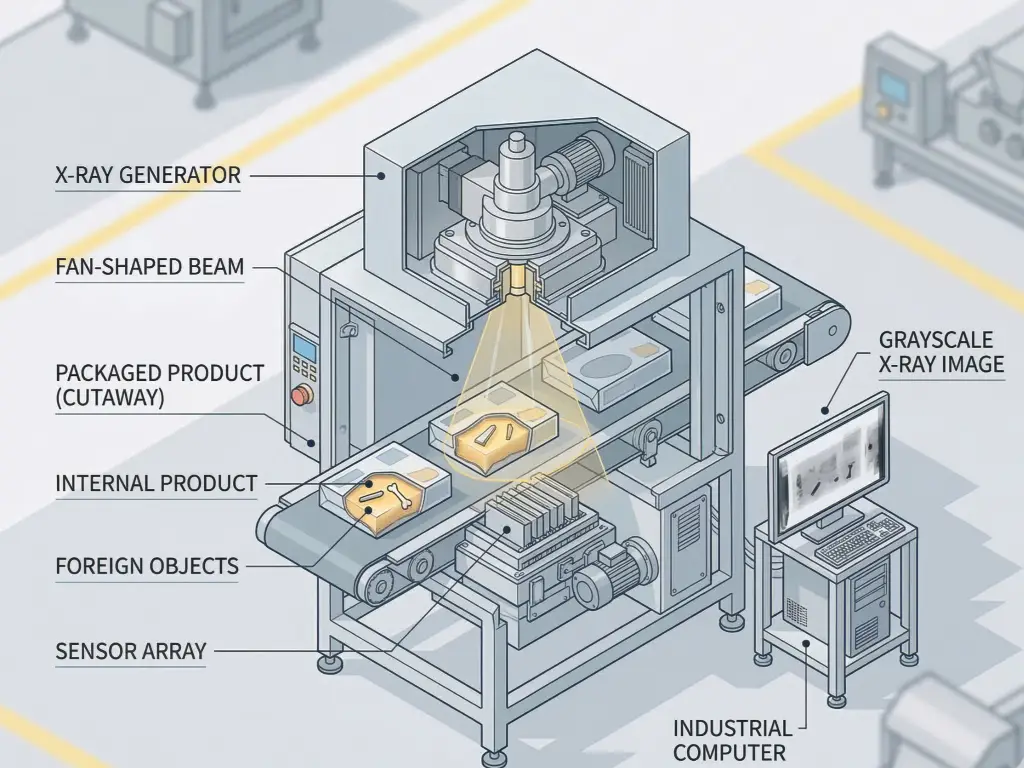
Olası kirletici maddeleri tespit etmek amacıyla, ambalajdan geçebilen X-ışını demetinin enerjisini ölçen bir sensör bulunmaktadır. Bilgisayar, enerji ölçümünü işleyerek gri tonlamalı bir görüntü oluşturur. Daha ayrıntılı olarak, görüntüde yoğun malzemeler koyu renklerle gösterilir. Yazılım, sıkı kalite standartlarını korumak için görüntüyü milisaniyeler içinde değerlendirmek üzere gelişmiş algoritmalar kullanır. Yazılım, kabul edilebilir temel aralığın dışında kalan ve yabancı maddeye işaret eden koyu bir bölge tespit ederse, ürünü üretim sürecinden çıkarmak üzere reddetme mekanizmasını devreye sokar.
Tipik bir metal algılama mekanizmasının aksine, bu tür bir kirletici algılama yöntemi çok daha gelişmiştir. Metal dedektörleri, elektromanyetik alanları kullanarak çevrelerini tarar. Bu cihazlar, yabancı cismin iletkenlik veya manyetik alan oluşturarak elektromanyetik alanda bir davranış değişikliğine yol açmasına dayanır. Bununla birlikte, X-ışını teknolojisi elektromanyetik alanlardan bağımsız olarak çalışır ve yabancı cisimlerin varlığını veya yokluğunu kullanarak engelleyici malzemelerin ‘içini görür’ ve çok çeşitli yabancı cisimleri tespit eder.
X-ışını teknolojisi, belirli bir ürün için iletkenlik ölçümlerine dayanan diğer teknolojilerin aksine yoğunluk temelli olduğu için çok çeşitli ambalaj tasarımlarını tespit edebilir.
| Ambalaj Türü | RöntgenUyumluluk | Sektörde Sık Görülen Örnekler |
| Metal Kutular | Mükemmel | Teneke kutular, alüminyum kutular, çelik kaplar |
| Foil Torbalar | Mükemmel | Retort poşetler, metalize film, kahve poşetleri |
| Cam Kavanozlar | Çok İyi | Baharat kavanozları, bebek maması kapları, içecek şişeleri |
| Plastik ve Kağıt | İyi | Termoplastik kalıplama ile üretilmiş tepsiler, karton kutular, sert plastik kaplar |
Farklı Gıda Sektörlerinde Uygulamalar
Gıda endüstrisinin farklı segmentleri, değişen düzeylerde kalite güvencesi gerektirir. Bu nedenle, üretim hattı tasarımcıları, her bir segmente özgü potansiyel tehlikeleri ortadan kaldırmak için gerekli denetim ekipmanının türünü titizlikle belirlemelidir. X-ışını denetim sistemlerinin çok yönlülüğü, bu sistemlerin çoğu işleme ortamında çalışabilmesini sağlar.
Et ve Kümes Hayvanları
Et ve kümes hayvanı etinin işlenmesinde fiziksel tehlikeler kaçınılmazdır. Bunlar arasında, etin kireçlenmiş kemik parçaları, kırılmış paslanmaz çelik öğütücü bıçakları ve enjeksiyon iğneleriyle kirlenmesi yer alır. Ayrıca, çiğ etin nem ve tuz içeriği yüksektir. Bu durum, çoğu metal dedektörünün eti reddetmesine neden olan çok güçlü bir “ürün etkisi”ne yol açar. Oysa X-ışını teknolojisi, nem ve tuzu dikkate almaz ve kemik ile metal parçalarını doğru bir şekilde tespit eder.
Fırın Ürünleri ve Atıştırmalıklar
Ürünleri taze tutmak ve nemi dışarıda tutmak için, fırıncılık ve atıştırmalık sektörleri ambalajlamada metalize filmler ve alüminyum folyolar kullanır. Ürünler bu alüminyum folyolara paketlendikten sonra, geleneksel metal dedektörleri bunları tarayamaz. X-ışını gıda denetim sistemlerinden gelen enerji, metali kolayca geçer. Bu nedenle, X-ışını dedektörleri, ambalaj kapalıyken bile metal telleri ve taşları (kuruyemişlerde bulunabilen) tespit edebilir ve böylece yabancı madde bulaşmasını önler.
Konserve ve Ambalajlı Ürünler: En Büyük Zorluk
X-ışını teknolojisi, et endüstrisinde ve fırıncılık sektöründe büyük önem taşır; ancak konserve gıda endüstrisi için ürün kalitesini korumak zorunludur. Kalite kontrol mühendisliğinin başa çıkması en zor ürünler, konserve ve ambalajlı ürünlerdir. Kalite kontrol mühendisleri, metal teneke kutular söz konusu olduğunda tam bir engelle karşılaşır. Metal silindir yapısı nedeniyle, geleneksel tespit yöntemleri yabancı kirleticiler karşısında tamamen etkisiz kalır. Bu nedenle, bir konserve fabrikasında X-ray gıda denetimi isteğe bağlı bir ek özellik değildir; maliyetli ürün geri çağırma durumlarını önlemek için temel bir tasarım zorunluluğudur. Bu kılavuzun geri kalanında, konserve paketleme hatlarının ortaya çıkardığı kendine özgü sorunlar ele alınacak ve X-ray teknolojisinin bu sorunlara en etkili çözüm olduğu gösterilecektir.
X-Işını ve Metal Tespiti: Karşılaştırma Tablosu
Konserve üretim hatlarında geleneksel sistem yaklaşımının hangi farklı şekillerde aksaklık gösterdiğini incelemek için, bir mühendis her iki sistemin temel düzeyde nasıl işlediğini farklı açılardan değerlendirmelidir. Aşağıdaki tablo, şu sistemlerin çalışma farklılıklarını ve uygulama sınırlarını özetlemektedir: metal tespiti X-ışını muayenesine kıyasla.
| Özellik / Yöntem | Metal Tespiti | Röntgen Denetim |
| En İyi Ambalaj | Plastik, Kağıt, Folyosuz | Teneke Kutular, Folyo, Cam, Hepsi |
| Kirleticiler | Demir, Ütü Gerektirmeyen, Paslanmaz Çelik | Metal, Cam, Kemik, Taş, Yoğun Plastik |
| Metal Ambalaj | Kör nokta nedeniyle başarısız olur | Metale kolayca nüfuz eder |
| Kalite Kontroller | Hayır | Dolum seviyesi, Çentikler, Eksik parçalar |
| İlk Maliyet | Alt | Daha yüksek |
Derinlemesine İnceleme: Konserve Gıdaların Metal Dedektörlerinin Yanında X-Işını Kontrolünden Geçmesi Neden Gerekiyor?
Konserve üretim hatları, büyük hacimli ürünleri yüksek hızlarda işler ve taşır; ayrıca sert, şeffaf olmayan malzemeden üretilmiştir. Bu koşullar, kabı göz ardı edip içeriği algılayabilen bir algılama sistemini gerekli kılar.
Metal Ambalajdaki Kör Noktanın Aşılması
Metal detectors work by setting an electromagnetic field. When a metal object moves through that field, it triggers an interruption, and the object is removed from the line. The metal packaging used, which is often tinplate and aluminum, is a conductor. When a metal can is transported to the metal detector, that metal can will create an extremely large interruption (or many interruptions) to the field. This is known as the Faraday cage effect. The detector will have no visibility of anything that is packaged inside the metal can.
Line architects cannot use metal detectors as part of the sealed can inspection process. If a facility uses metal detectors, they must be positioned before the filling and sealing processes. This creates a huge blind spot. If a machine malfunctions during filling or sealing, the can in question is sent down the supply chain as a can containing dangerous materials. This is where X-ray technology is useful. X-rays depend on an entirely different principle than metal detectors, which use magnetic fields. The x-ray software uses the density of the metal can wall as a baseline and subtracts that to inspect the contents of the sealed container.
Detecting Glass, Bones, and High-Density Plastics
Canning facilities often use disjunctive machinery that is susceptible to non-metallic wear parts. Also, some agricultural products can contain debris from the field. Consequently, metal cans are known to conceal broken glass, small stones, or bones coming from the harvested vegetables, and broken guide rails made from high-density plastics (PTFE or Acetal) and plastics in the conveyor system.
Metal detectors will never be able to identify glass, stones, or plastics. However, X-ray systems will. Glass and stones will appear on the X-ray grayscale image as darker spots due to the higher density values they possess. Likewise, high-density plastics and rubber gaskets (often industrial-grade) will be able to be detected due to their density. Production engineers are able to identify and remove both metal and non-metal non-hazardous contaminants before the product is sealed, thanks to the X-ray systems.
Beyond Contaminants: Unlocking Value in Canning Production
Modern production machines need to be able to provide the most value for investment. X-ray systems are able to provide multiple quality control services and are therefore more than simple safety tools. They are complete systems for the control of product safety, even checking for missing product components.
Accurate Fill-Level Inspection
Consumer protection laws impose severe fines for underfilled cans as well as risk prosecution for the entire business. An overfilled can is also a waste of product (giveaway) and can adversely affect the closing head on the double seam by compromising the integrity of the seam.
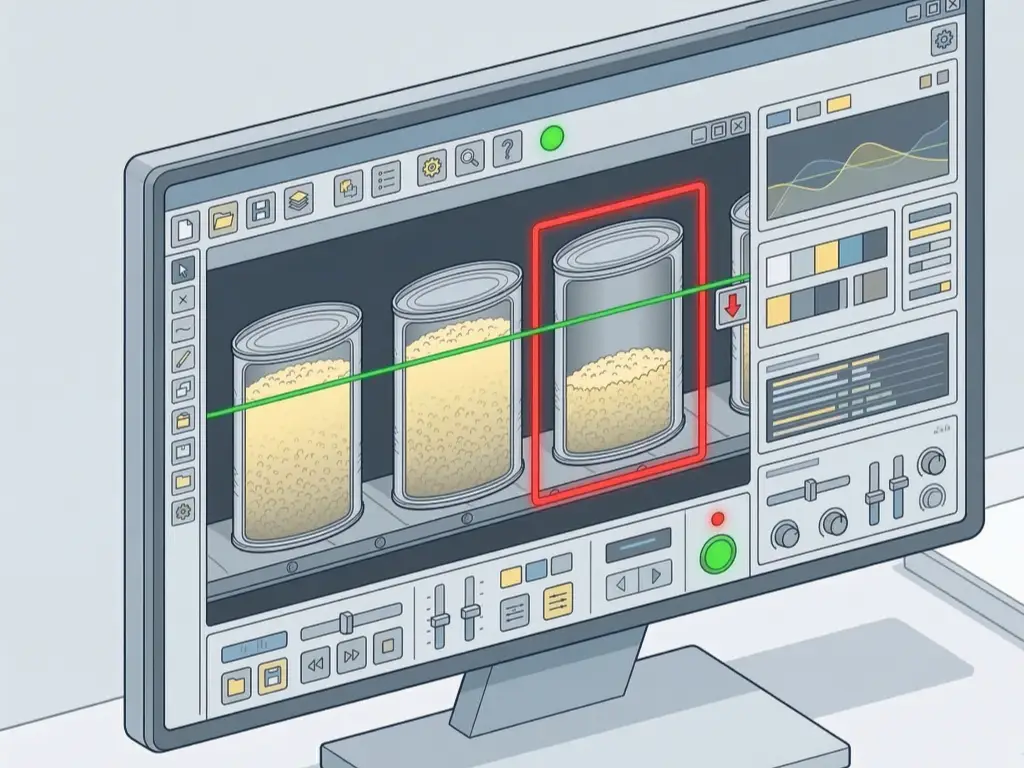
X-ray systems carry out highly detailed inspections and check for contaminants at the same time. While the X-ray examines the can, the software analyzes the liquid or solid content and maps a horizontal line. Engineers set the zone parameters in the software. If the content line falls below or above the set parameters, the system will indicate a rejection. This way, plant managers can immediately adjust dosing equipment and reduce product giveaway, all while keeping the production line running.
Identifying Dented Cans and Seal Defects
The can’s hermetic seal and geometry are vital for the product’s safety and integrity. Damaged cans can be more than cosmetic—severe dents on the can’s seam can break the internal lining or vacuum seal, creating the risk of botulism and spoiling the product.
The software comes equipped with edge-detection algorithms. When a can moves past the sensors, the software analyzes the geometry of the structure. It examines the double seam profile and the walls for defects. If the system finds a dented wall, a missing lid, or a dented flank, it will eliminate the can. This ensures that no dangerous or unsellable products end up being offered for sale in stores.
Ensuring HACCP Compliance & Data Logging
B2B procurement focuses on compliance. Food safety audits with GFSI, BRC, or IFS certifications require extensive documentation. Auditors look for more than just the hardware. They want to see that the plants are capable of active, system-supported monitoring and recording of quality events.
Industrial X-ray machines are advanced data logging devices. The system software logs the time, date, and product code for every unit that passes through the machine. More critically, the machine captures and logs an image of any unit that is rejected. This image constitutes evidence of the defect or contamination. Logged data is utilized by QA teams to trace the problem to specific upstream equipment, demonstrating full compliance with HACCP during unannounced audits.
Integrating X-Ray Systems into High-Speed Canning Lines
Choosing the right X-ray technology is the first of many steps. Integrating the system into the actual production setup is of high importance. Canning lines can be difficult. They require specific mechanical solutions for their combination of high speed and heavy products in rigid containers.
Strategic Placement on the Line
Line architects have to figure out the best spot to put the X-ray machine on the line. Canned goods can be deployed at two main locations: directly after the seamer, or at the end of the line just prior to the case packer.
If the X-ray is placed after the seamer, it will be able to detect problems first. This means that if the filler or seamer starts shedding metal, the X-ray will detect it, and the plant will be able to stop the line and control the amount of contaminated product. However, these locations tend to have a lot of washdown moisture, and they fluctuate in speed.
If the X-ray is placed right before the case packer, it will be able to make sure the product is in its final state prior to inspection. This will allow the X-ray to inspect the product for any defects that may have occurred during the cooking (retorting) or label application. This location usually has more consistent speeds. However, if this location is the case for a recurring drop in product contamination, it means that a lot of cans will already have to be destroyed at this endpoint. This means that the line architects must make a decision based on analyzing the specific failure risks of upstream equipment.
Managing High Throughput and Rejection Mechanisms
When it comes to modern canning technology, canning speeds can go as fast as 1000 cans per minute, to even 300 cans per minute. At this rate, it is imperative that the product is presented to the X-ray sensor and the precise mechanical synchronization is actually removing the defects.
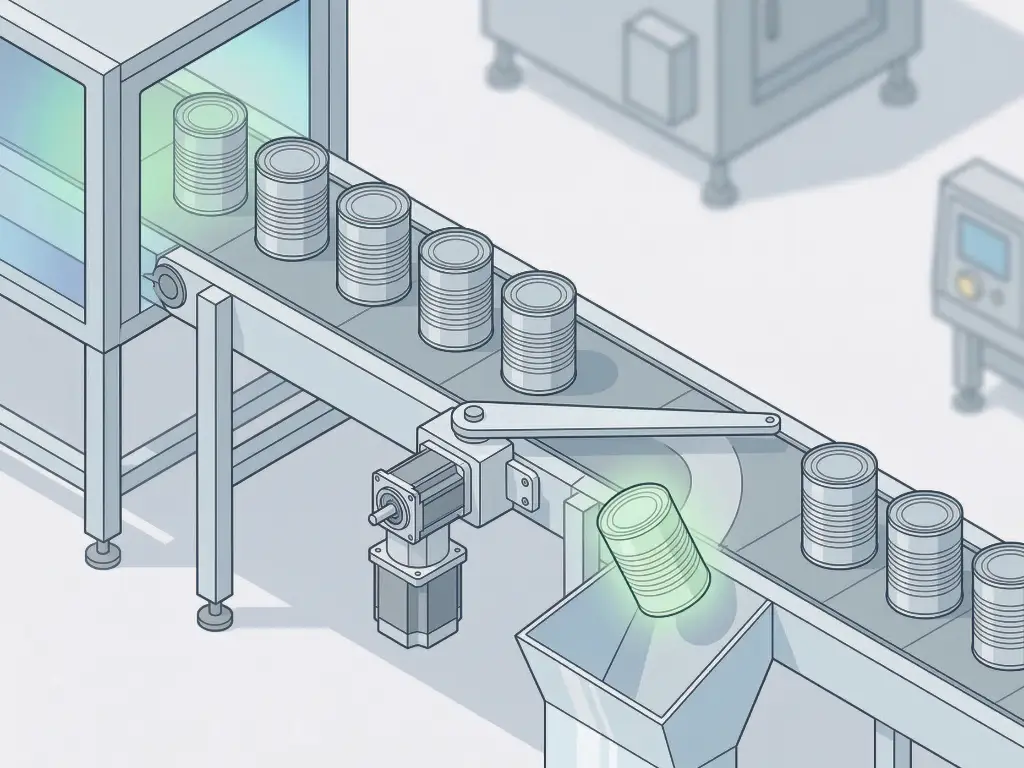
Cans need to enter the X-ray beam at a specific, customizable pitch. Otherwise, if they touch, the image processing software will determine false rejects. To avoid this, engineers use timing screws and/or transfer screws, where custom spacing is required prior to the inspection zone.
At high speeds, particularly with heavy metal cans, the rejection mechanism can be extremely critical. High-energy cans can cause serious injury. For instance, standard mechanical pushers can indent, dent, rupture, and/or spill the rejected can and cause nearby acceptable cans to be pushed over. As such, engineers will specify high-speed air blast rejecters and servo-driven diverters. Moreover, the compliance standards require a reject confirmation sensor. This lockable reject sensor provides confirmation that the reject target did not just continue down the line beyond the reject system.
Addressing Radiation Concerns in Food Inspection
Plant managers are frequently met with questions regarding the safety of industrial X-ray systems. To ensure the confidence of the buyer and the operator, the systems must permit an understanding of the physics of X-ray inspection.
- Yiyecek Güvenlik: For industrial food inspection, low-dose ionizing radiation is used. The X-rays pass through the product without affecting the nutritional value, texture, or taste of the food. The food does not and will never be radioactive or have any radioactive contamination.
- Operator Güvenlik: Modern systems have an extremely thick stainless steel cabinet, lead-free radiation curtains, and thick curtains at the entrance and exit. The X-ray energy is contained within the structure. The radiation levels outside are below the radiation levels due to human exposure to the natural background. The interlock system shuts down the X-ray generator when the cabinet doors are opened.
- Compliance: X-ray inspection systems are fully compliant with the FDA, WHO, and your local atomic energy authorities.
With all safety and technical concerns resolved, the ultimate success of your quality control relies on seamless line integration. Ready to build an ‘X-ray-ready’ canning process? Contact our engineering experts today to design a high-speed packaging line that perfectly synchronizes with top-tier inspection systems.


 EN
EN  RU
RU  ES
ES  FR
FR  DE
DE  NL
NL  IT
IT  JA
JA  ID
ID  PT
PT  KO
KO  AR
AR  TH
TH  VI
VI  TR
TR  PL
PL