
Modern soup cans are primarily constructed from three-piece tin-plated steel (tinplate) to ensure structural integrity during the high-heat retort process. Unlike aluminum beverage cans or plastic bottles, soup cans utilize a multi-layer defense system: a steel core for strength, a layer of tin for rust prevention, and a BPA-NI polymer lining to protect against acidic corrosion, all secured by hermetically sealed double seams.
Not only is soup can a disposable container, but it is a pressurised containment system that can endure years of extreme thermal shock, internal vacuum forces, and chemical aggression.
A soup can is not made of any material. It is a product of a complicated interaction between metallurgy, polymer chemistry, and thermal processing physics. When a manufacturer chooses a packaging material, he or she is not only purchasing metal, but a substrate that will endure the severe conditions of a retort sterilisation chamber.
This discussion examines the engineering choices that were made in the packaging of soup, going beyond the superficial raw materials to the structural and chemical technologies that guarantee food safety.
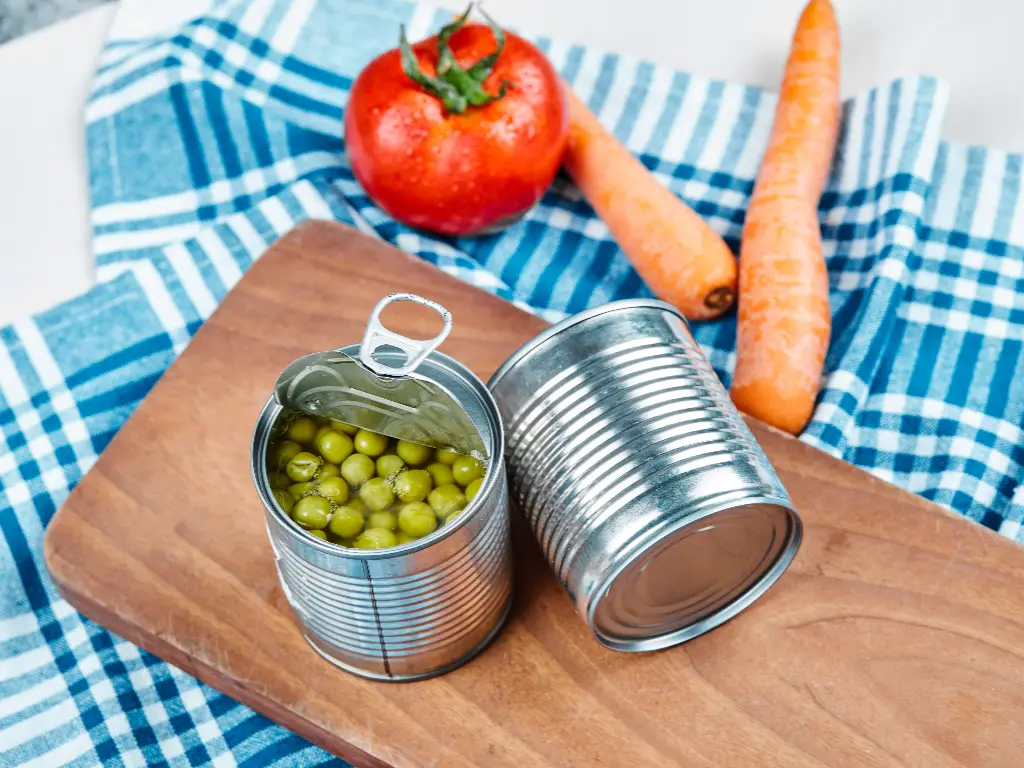
Beyond the Steel: The Three-Piece Can Distinction
It is a widely held belief that all metal food containers, including early tin cans, are equal. Beverage cans and food cans are usually lumped together by consumers. But as far as manufacturing and engineering are concerned, they are different entities with different structural needs. When asking what are soup cans made of, one must first look at the construction method.
The Difference Between 2-Piece and 3-Piece Construction
Beverage cans are virtually two-piece cans. They are made by drawing and ironing one disc of aluminium into a cup shape and then covered with a lid. This creates a container with an integral end (the bottom is continuous with the walls). The walls are so thin as the carbonation of the drink forms internal pressure that holds the structure.
Soup cans are generally three-piece cans. This building is made up of three different elements:
- The Body: This is a flat piece of sheet metal which is rolled into a cylinder and welded along the seam.
- The Bottom End: This is a circular steel disc that is seamed onto the cylinder by the can manufacturer.
- The Top End (Lid): This is the part that is applied by the food packer after filling.
Why Soup Requires Steel and Welds
The sterilisation process determines the use of steel food cans (often referred to historically as tin cans) instead of aluminium cans in making soup. Soup is a low-acid or acidified food which frequently needs Retort Processing. This is done by putting metal food cans in a large pressure cooker (retort) where temperatures are raised to about 121°C (250°F) to destroy harmful pathogens such as Clostridium botulinum.
In the process, the contents of the can swell, producing a lot of internal pressure. When the retort cycle is complete and the chamber cools, the pressure inverts, leaving a vacuum in the can.
Two-piece aluminium cans are usually soft and malleable enough to endure this violent pressure cycle without deforming. Steel offers the required tensile strength and modulus of elasticity (stiffness). The vertical rigidity of a three-piece can is provided by the welded side seam, which enables the container to maintain its cylindrical shape and diameter even when the pressure and temperature change drastically.
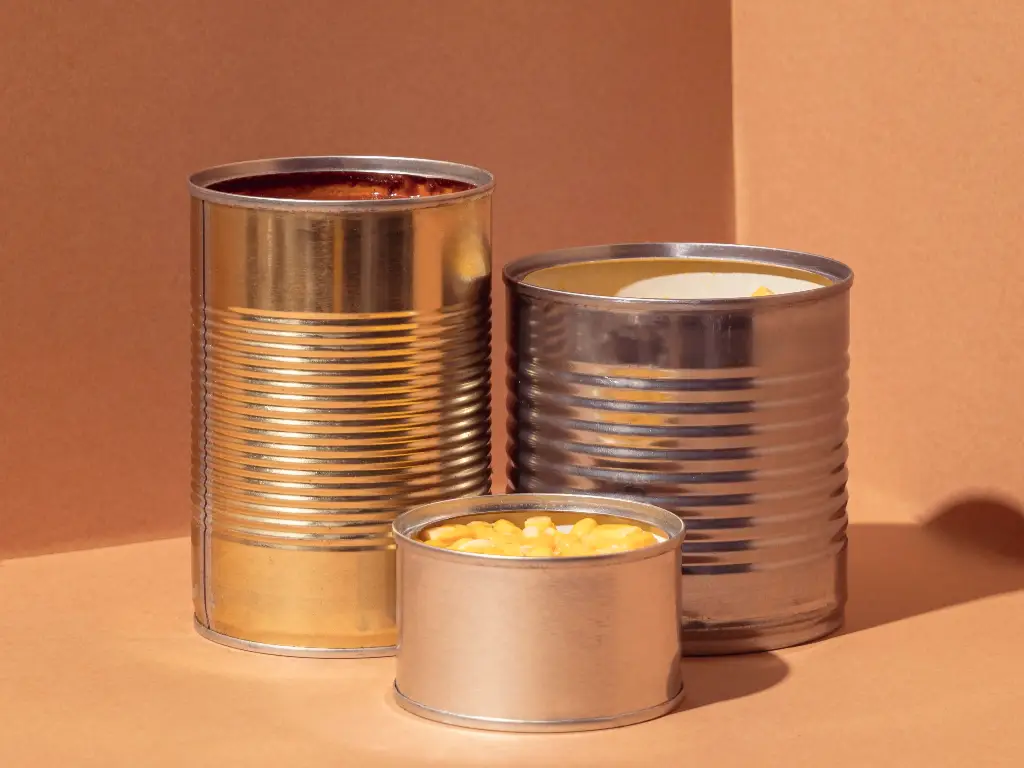
Internal Linings: Chemical Barriers and BPA-NI Standards
The steel is chemically reactive, although it gives the structure. When soup is put into a raw steel product, the food would react with the metal, which would corrode and the food would spoil or acquire metallic off-flavours, leading to a loss of quality. The metal is not the most important part of a modern soup can, but the microscopic polymer coating between the food and the steel.
Evolution to BPA-NI (Non-Intent) and Polyester Coatings
Over the decades, Epoxy resin based on Bisphenol A (BPA) was the industry standard of can lining. Epoxy was superior in adhesion to metal and heat resistance. Nevertheless, increasing toxicological issues and consumer pressure to have cleaner labels have necessitated a colossal change in the supply chain to ensure optimum nutrition retention and safety.
The industry has shifted to BPA-NI (Non-Intent) coating. Non-Intent is a technical term that is used in regulatory compliance (FDA and EU regulations). It implies that BPA is not being added to the chemical formulation deliberately.
Substitution of epoxy has been a major challenge in chemical engineering. The industry has been more or less converged on two options:
- Acrylic Resins: They commonly applied to less aggressive food products.
- Polyester Resins: They are used due to their high heat performance.
These contemporary finishes have to play a challenging game of balancing. They should be soft enough to bend with the metal as the can is being formed without breaking, but should be hard enough to prevent abrasion when filling. In the case of a manufacturing line, this change would mean that there must be strict quality control. When a filling nozzle rubs the bottom of a can, it can easily break through a polyester coating more easily than the older epoxies, resulting in localised corrosion.
Managing Acidity in Tomato and Vegetable Soups
High-Acid Products (e.g., Tomato Soup): Tomatoes are very aggressive to metal cans. The acid may enter microscopic pores in a coating causing hydrogen swelling (when the can bloats) or detinning (stripping the layer of tin). These products need coating formulations that are thicker and highly cross-linked and specifically formulated to resist acid.
- High-Acid Products (e.g., Tomato Soup): Tomatoes are very aggressive to metal cans. The acid may enter microscopic pores in a coating causing hydrogen swelling (when the can bloats) or detinning (stripping the layer of tin). These products need coating formulations that are thicker and highly cross-linked and specifically formulated to resist acid.
- Low-Acid Products (e.g., Cream of Mushroom, Chicken Noodle): These are not as chemically aggressive, but they need to be sterilised at a higher temperature to be safe. The coating in this case should be more thermal stable than acid resistant.
Production wise, the integrity of this coating is the most important. The packaging lines should be calibrated to work with large volumes of cans at high speed. The continuous polymer barrier can be broken by a small dent or scratch on the inside of the tool by an aggressive auger filler or a poorly set seaming chuck. When that barrier is broken, the process of interaction between the saline soup and the steel shell starts, which greatly reduces the shelf life of the product.
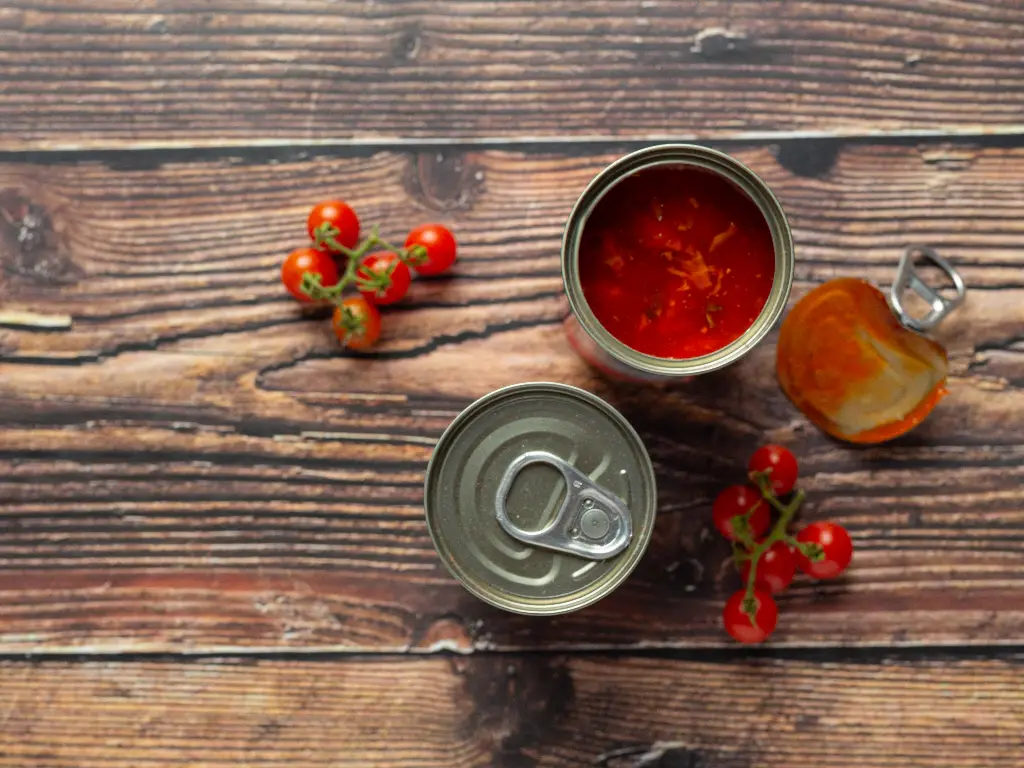
Structural Design: Vacuum Pressure and Sidewall Ribs
A soup can have its physical form, which is not aesthetic. The rings that are usually observed on the body of a can are a direct reaction to the laws of physics that govern thermal processing.
Combating Implosion During the Retort Cooling Process
Hot air and steam are present in the headspace when hot soup is canned. When the can goes through the retort process and is then cooled, the steam condenses back to water droplets. The amount of gas in the headspace reduces drastically.
This forms a strong internal vacuum. The pressure in the atmosphere outside the can is now much greater than that in the can. This pressure tries to squeeze the can inwards, a process referred to as panelling or implosion.
The beading or ribs are horizontal rings that serve as structural reinforcements. These ribs enhance the radial hoop strength of the can just like corrugated metal is stronger than a flat sheet. They ensure that the sidewalls do not collapse inwards due to the vacuum load created during the cooling process.
How Liquid Nitrogen Enables Thinner Can Walls
The contemporary packaging is also moving in a different direction: the shift towards smooth-walled cans with sleek sides and the down-gauging of metals to conserve resources and costs.
It appears physically impossible to remove the structural ribs of a steel food can and at the same time make the steel thinner due to the vacuum forces as mentioned above. The answer is in the change of processes: Liquid Nitrogen (LN2) Dosing.
In this application, a fine droplet of liquid nitrogen is sprayed into the filled can a few milliseconds before the lid is seamed. The liquid nitrogen (−196°C) immediately evaporates and increases 700 times in volume.
- Positive Pressure: Instead of a vacuum, the expanding gas creates a controlled internal positive pressure.
- Structural Support: This is an internal pressure that drives outward on the can walls, providing the thin steel with rigidity. The can is practically inflated, like a tyre.
- Collapse Prevention: This positive pressure is used to counter the external atmospheric pressure, so that the smooth walls will not buckle even in the absence of the reinforcing ribs.
The technology enables manufacturers to work with much finer gauges of steel, which lowers the cost of materials and the weight of transportation. It however needs very accurate dosing machines. Excess of nitrogen may result in the bulging or bursting of the can; insufficient amount causes panelling.
The Anatomy of the Lid and Hermetic Sealing
The top or end of a soup can is an engineering wonder. Unlike paint cans which often rely on friction lids, food cans require a hermetic double seam.
The current consumer preference has changed nearly completely to Easy Open Ends (EOE)- lids with a pull-tab. This convenience brings a critical variable to the manufacturing process: the Score Line.
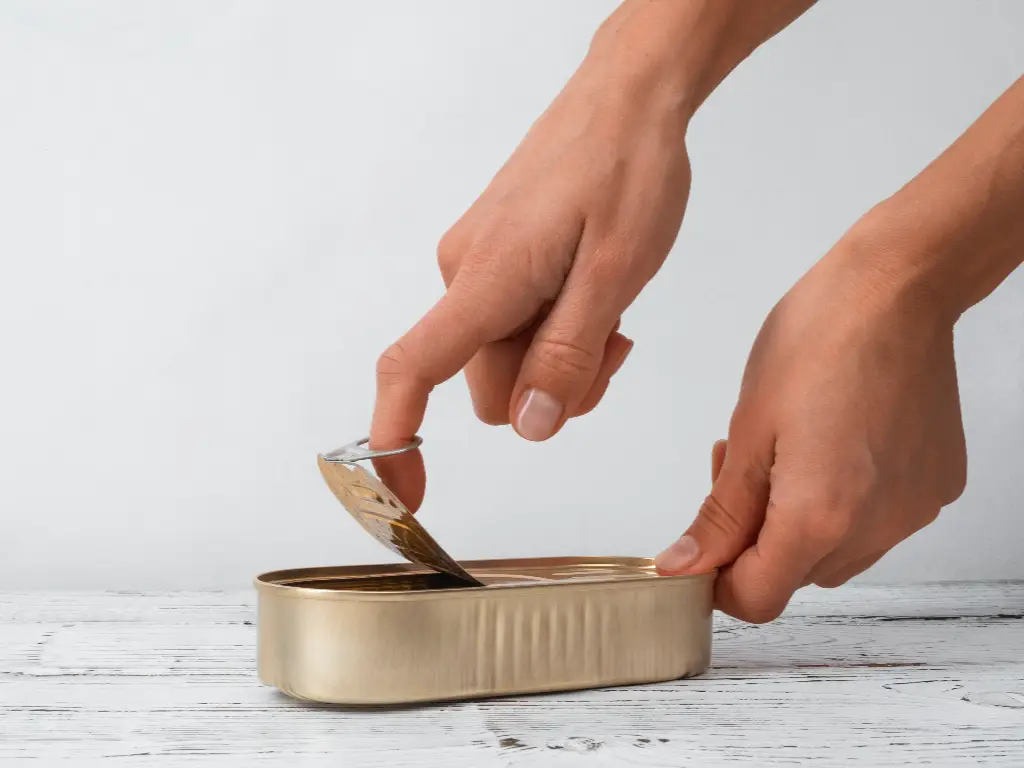
The groove that is cut on the lid and which tears open when the tab is pulled is called the score line. The richness of this score is essential.
- Too Shallow: The consumer is unable to open the can, or the tab snaps off.
- Too Deep: The metal left at the bottom of the groove (the residual) is too thin to support the pressure of the retort process and the can bursts during sterilisation.
The score line depth tolerance is expressed in microns. Manufacturers have to compromise between openability and process survivability.
Moreover, there is a trend of Peel-off Ends in high-end soup markets. These are made of a thin aluminium foil or composite membrane heat-sealed to a steel ring. These provide a safer experience of opening (no sharp edges) and are lighter. Nevertheless, they have varying seaming parameters than rigid steel ends to make sure that the bond is not lost in the process of friction of the sealing process.
The Hidden Role of Seaming Compounds in Safety
The double seam, the rim in which the lid and the body meet, is not two pieces of metal bent together. Folding of metals cannot form a hermetic (airtight) seal by itself; there are microscopic irregularities that bacteria might penetrate.
The integrity of the soup is dependent on a Seaming Compound. It is a liquid latex or synthetic material made of rubber that is poured into the curl of the lid when it is being manufactured.
This compound is squeezed between the body hook and the cover hook when the packaging machine is undertaking the double seaming operation. It serves as a gasket, sealing the gaps in the metal folds.
This substance should have certain chemical characteristics:
- Resilience: It should be able to be elastic even when it has been exposed to the high temperature of the retort process.
- Chemical Resistance: It should not deteriorate when it comes in contact with the fats, oils, and salts in the soup.
The seal fails when a compound swells or dissolves when in contact with hot vegetable oil or chicken fat. This causes Micro-leakage, which is a situation where the can looks closed to the naked eye, but under the microscope, there are micro-pathways through which airborne contaminants can penetrate after processing. This highlights the importance of accurate seaming mechanics; when the seaming rollers are too tight they can squeeze the compound out of the joint; when too loose the compound is unable to fill the gap.
Future Trends in Sustainable Soup Packaging Materials
Environmental sustainability and material efficiency are the two forces that determine the direction of the soup packaging.
Down-gauging is being aggressively sought after in the industry. This includes the application of stronger steel alloys that can be used to have thinner walls without compromising the structural ratings required in retorting. This, as discussed, frequently requires the application of auxiliary support technologies such as liquid nitrogen dosing.
At the same time, there is a trend towards mono-material coating. Conventional laminates may be hard to recycle due to the fact that they combine various kinds of plastics and metals. New coating technologies are trying to employ simplified polymer structures that are easier to burn during the steel recycling process, which enhances the recovery of the raw metal.
結論
The contemporary soup can is an advanced engineering design, which is based on three-piece steel construction and superior BPA-NI linings to strike a balance between structural rigidity and food safety. However, to manufacturers, it is only the beginning to know these materials; the most important thing is to make sure that production lines can accommodate these thinner and changing specifications without collapsing.
Whether you are transitioning to BPA-NI coatings or exploring thinner gauge steel with liquid nitrogen dosing, your packaging line must adapt. The interaction between advanced materials and your filling and sealing machinery is the difference between a profitable product and a compromised batch.
With over 14 years of engineering expertise, レバパック specialises in high-precision canning solutions for the global market. We understand that modern packaging materials—from delicate BPA-NI lined cans to thin-wall structures requiring nitrogen dosing—demand exacting machinery standards. Our automated packaging lines are designed with the flexibility to handle diverse material specifications, ensuring seal integrity and product safety. Trusted by manufacturers in over 30 countries, Levapack delivers the technical reliability your production line needs.
お問い合わせ to discuss how our equipment handles the latest in soup can material technology.


 EN
EN  RU
RU  ES
ES  FR
FR  DE
DE  NL
NL  IT
IT  JA
JA  ID
ID  PT
PT  KO
KO