
標準缶サイズガイド:寸法、容量、業界コード
標準化は、包装業界におけるグローバルな取引を可能にする、目に見えないインフラである。メーカー、ブランドオーナー、調達マネージャーにとって、標準的な缶サイズの知識は、単に容積容量だけではない。それは、充填ラインとの互換性、パレット密度の最大化、経済的な方法での保管スペースの効率的な使用に関するものである。
A difference of a few millimeters in a can size specification may cause a lot of production downtime, seaming errors, or labeling errors. This manual offers a helpful breakdown of the different can size numbers, the rationale of identification codes and the actual use in food, beverage and industrial sectors.
技術的な詳細に入る前に、現在世界市場で最も広く使われている缶のサイズをまとめてみよう。
| 一般名 | 業界コード | 寸法(インペリアル) | Approx. Capacity | 代表的なアプリケーション |
|---|---|---|---|---|
| #300缶 | 300 x 407 | 3″ x 4-7/16″ | 14~15オンス | 野菜、豆、スープ |
| #2缶 | 307 x 409 | 3-7/16″ x 4-9/16″ | 20オンス | フルーツ、ジュース、RTEミール |
| #1 ピクニック | 211 x 400 | 2-11/16″ x 4″ | 10~11オンス | コンデンススープ、ペースト |
| #10缶 | 603 x 700 | 6-3/16″ x 7″ | 96~109オンス(3L) | レストラン/バルクサプライ |
| #3シリンダー | 404 x 700 | 4-4/16″ x 7″ | 46オンス | 大型フルーツジュース |
| ツナ缶 | 307 x 113 | 3-7/16″ x 1-13/16″ | 6~7オンス | マグロ、シーフードスプレッド |
| スタンダード | 211 x 413 | 2-11/16″ x 4-13/16″ | 12オンス(355ml) | ソーダ、ビール、スパークリングウォーター |
| スリム | 202 x 504 | 2-2/16″ x 5-1/4″ | 8.4オンス(250ml) | エナジードリンク |
標準的な缶の寸法コード(インペリアル対メートル)を理解する
New arrivals to the canning business are frequently faced with a series of numbers, e.g. 307 x 409, and think that they are in millimeters or some sort of direct reading in inches. This supposition causes serious mistakes in sourcing raw materials and machine calibration. These figures are a standard industry code that is mostly used in North America and areas that adhere to the US Imperial standards, utilizing a conventionalized method.
コードは直接的な尺度ではない。整数インチと小数インチ(具体的には16分の1インチ)の数を組み合わせた複合値である。製缶業者とのコミュニケーションやシーム工具のセットアップの最初のステップは、この命名法を理解することである。
3桁業界識別システムの解読
The standard nomenclature has a three-digit format of both diameter and height. The initial number is whole inches. The second and third figures indicate the number of sixteenths of an inch.
分析例:307×409の缶
- 直径(307):
- 3」は3インチを示す。一桁目の "0 "は7/16インチを示す。
- The “07” indicates 7/16 of an inch.
- Total Diameter: 3-7/16 inches.
- 身長(409):
- The “4” indicates 4 inches.
- The “09” indicates 9/16 of an inch.
- Total Height: 4-9/16 inches.
このシステムは、ほとんどの金属製食品缶に適用できる。これを海外のサプライヤーにメートル法に換算する場合は、正確に計算する必要がある。この例として、直径307(3-7/16)を約87mmに換算したものがあるが、シーマーでのチャックやロールの用途では公差が必要となる。
缶の直径と高さの正しい測り方
Precision is essential in establishing whether a can can fit in changing parts on a production line. One of the errors is the measurement of the wrong reference points on the cylindrical body.
- 直径を測る: The industry standard is that the diameter is measured at the outside of the body and not at the rim. But in the case of double seaming, the critical reference point is usually the size of the top lid (e.g. a 202 end vs. a 206 end). In referring to the three-digit code (e.g., 307), it means the Nominal Body Outside Diameter.
- 高さを測る: The height of the can varies depending on its state, an empty can is different to that of a completed can.
- 全高(オープン/空) 蓋をする前の缶の高さ。フランジはフレア状になっている。ノズルのクリアランスが適切かどうかを確認するため、充填ステーションで重要な測定となる。
- 完成した缶の高さ(密閉状態): This is the height of the can after the hermetic seal has been created. Seaming process takes away part of the flange and the bottom end hook,making the final shape slightly shorter.
食品用衛生缶の市場用途別標準サイズ
Sanitary food cans are made to resist the thermal treatment needed to sterilize food products (retorting). This ensures food safety and extends shelf life. Although there are thousands of different versions, the market has narrowed down to a standard can size to maximize logistics and consumer recognition. These food can sizes are categorized by their end-user environment.
果物、野菜、スープの小売用缶の寸法
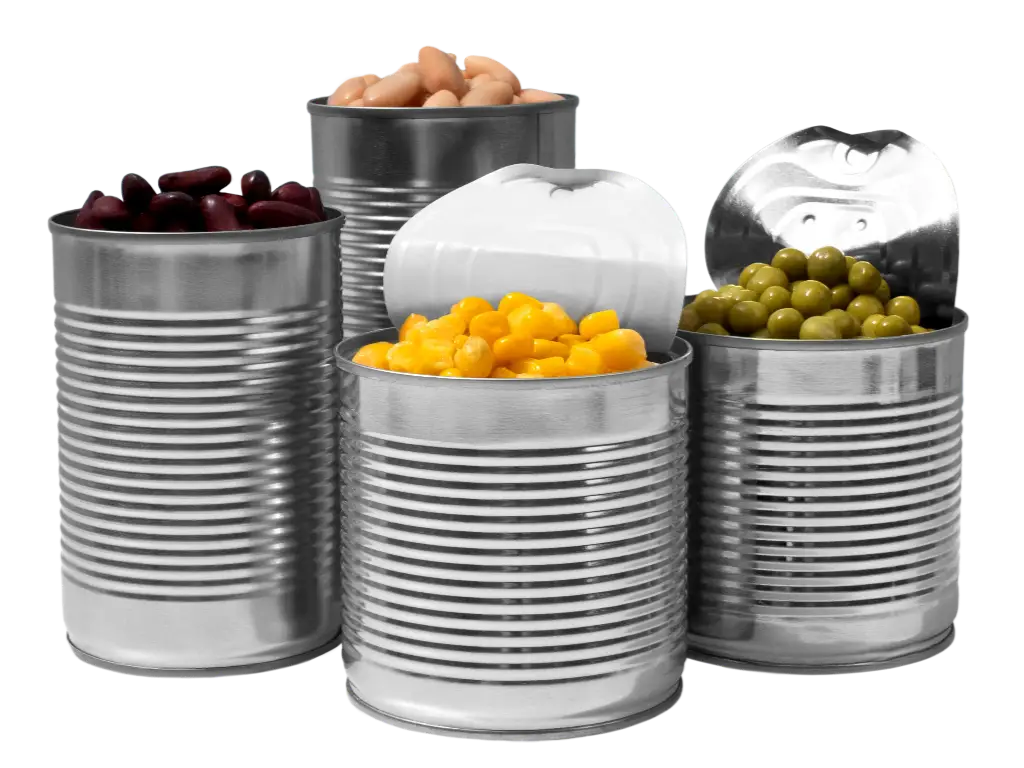
小売カテゴリーには、スーパーマーケットで消費者に直接販売される缶詰が含まれる。これらのサイズは、棚のスペースを最大化し、食品の品質を確保しつつ、家族や個人で分け合える量を提供する。これらの寸法は、コ・パッカーが最小限の入れ替えで異なる食品(例えば、コーン、豆、スープ)を同じラインで操作できるように、非常に標準化されている。
主な標準サイズ:
- #300缶(300×407): This is the current standard of most vegetables and beans. It normally carries between 14 to 15 fluid ounces of product. It has mostly substituted smaller sizes with general pantry items because it has an effective height-to-width ratio. It offers excellent protection for fresh produce processed for long-term storage.
- #2缶(307×409): この缶は#300より少し大きく、約20オンス入る。大きめの野菜、パイナップルスライス、特定の調理済みスープなどによく使われます。
- #1 ピクニック(211×400): A smaller space container holding about 10 to 11 ounces. This is usually observed in condensed soups or concentrated foodstuffs such as acidic foods like tomato paste.
- 8オンス/ビュッフェ(211 x 304): 一般的な1人前の野菜や果物のカクテル。
正味重量は通常、液量オンスと同じではない。桃の缶詰(密度が1より大きい)は、同じ体積のドライハーブや乾物より重量が大きい。
レストランおよびバルク包装用の業務用缶サイズ
フードサービス業界は、容積効率と廃棄物の最小化に関心を寄せています。これらの缶は、スピードと一貫性が重要な業務用厨房、カフェテリア、ケータリングでの使用を目的としている。シェフがサービスを準備するために開けなければならない缶の数を減らすことです。
主な標準サイズ:
- #10缶(603×700): B2Bフードサービスの定番。直径6~3/16インチ、高さ7インチで、約96~109オンス(約3リットル)入る。
- ロジスティクス 通常1ケース6本入り。
- 機械: Sealing a #10 can require a heavy-duty seamer capable of handling the larger diameter and heavier gross weight without crushing the body.
- #3 シリンダー(404 x 700): これは一般に46オンス缶として知られている。業務用の大型フルーツジュース(リンゴ、トマト、パイナップル)の定番で、背の高い細長い形をしている。
ペットフードと調理済み食用の特殊サイズ
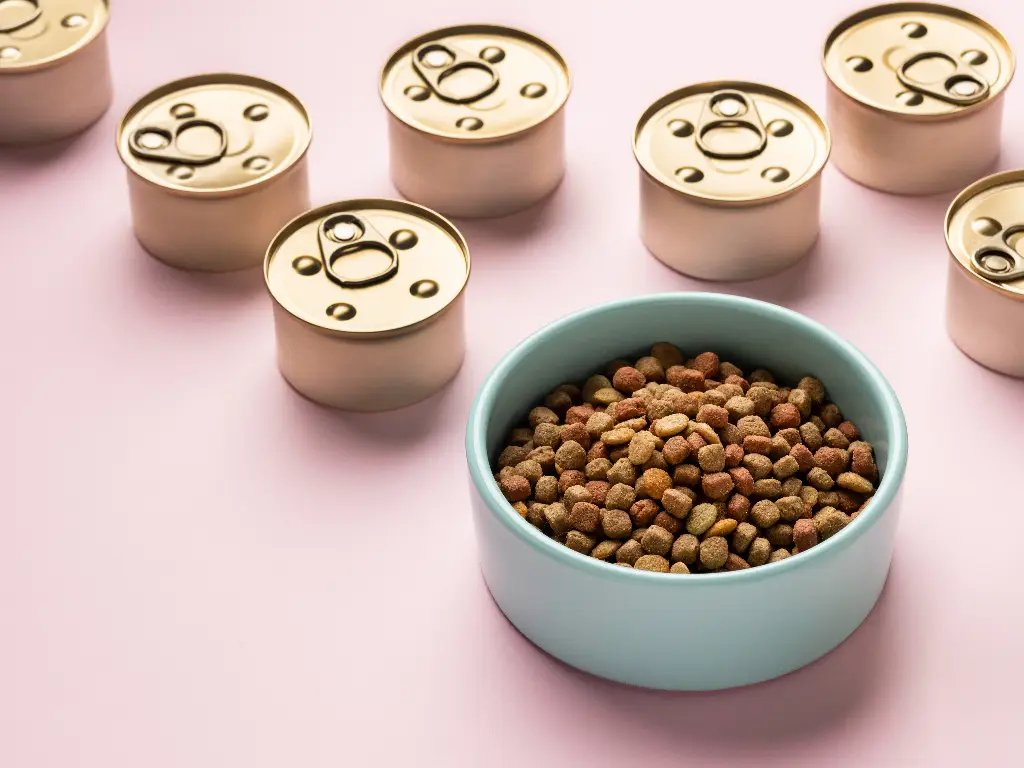
Special squat cans are used in the pet food and ready-to-eat (RTE) industries. The diameter of these cans is larger compared to their height. This geometry has two functions: it is easier to extract the product (wet pet food or luncheon meat), and due to fewer seams, it is easier to achieve rapid heat penetration during the retort process of dense meats.
主な標準サイズ:
- 307×109(フラット/スクワット): This is typically used in single-serve premium cat food or tuna spreads. The height is very low and this necessitates accurate lifter plates in the seaming station to make it stable.
- 300 x 308: 標準的なドッグフードのサイズ。
- 長方形または楕円形の缶(スパム風): ランチョンミート用のスチール缶。円筒形の側壁を長方形に成形するため、特殊なサイドシーム溶接技術や絞り加工が必要となる。
標準的なシーフード缶の寸法:マグロとイワシ
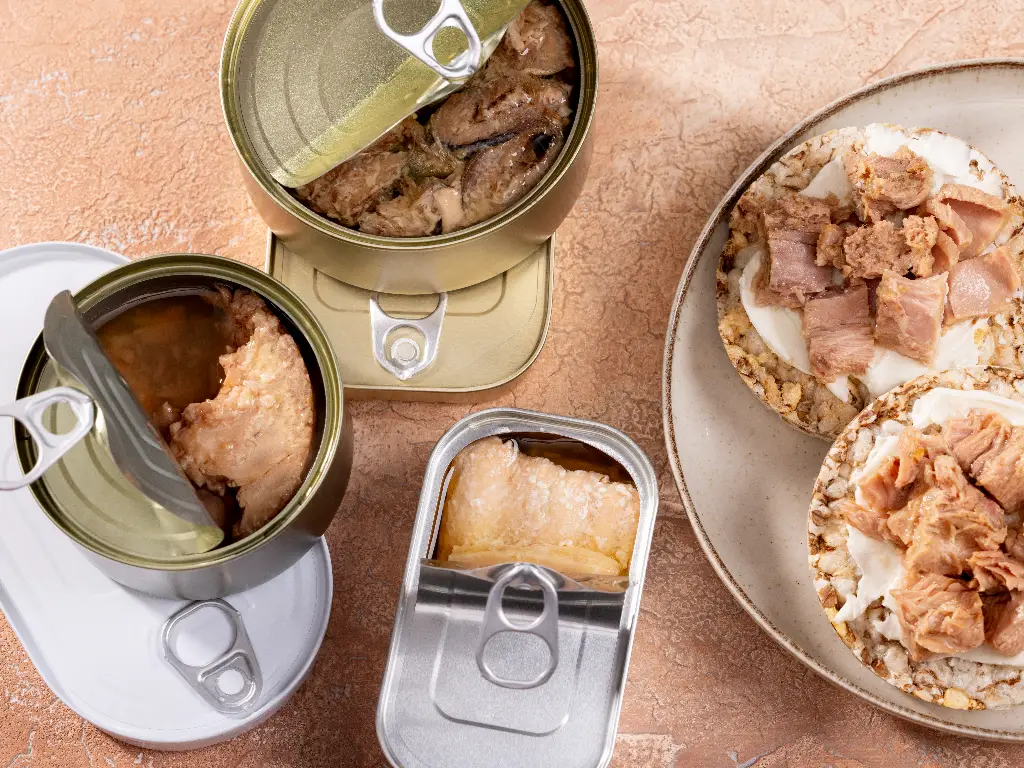
The packaging of seafood is not similar to the usual sanitary metal cans of fruits and vegetables. The product is high-end, costly and in many cases delicate, which predetermines shallow and wide containers. Also, the production of these cans frequently employs a 2-piece Draw-Redraw (DRD) technique as opposed to the conventional 3-piece welded body. This creates a smooth bottom and body, which removes one of the possible leak points.
ユニークなジオメトリーとチャレンジ:
- マグロ」缶(307×113): 直径は#2缶(307)と同じだが、高さは1-13/16インチしかない。この浅さが、外層を加熱しすぎることなく、殺菌の熱を短時間で厚い魚肉の中心部まで到達させるのである。
- クラブ缶: These are rectangular cans that are commonly used to store sardines or herring fillets. They are not round and therefore they do not use the standard 3-digit diameter code.
- ディングリー缶 クラブ缶に似ているが、一般的に先細り、または縦横比がわずかに異なり、高級魚介類に使用される。
- 楕円形の缶: ピルチャードや大きめの魚の切り身のトマトソースによく使われる。
Special irregular can seamers are needed to handle seafood cans. A typical rotary machine that is used to seal round cans with a diameter of 300 cannot seal a rectangular Dingley can. The seaming rollers have to take a cam-driven route to trace the non-round profile. Moreover, tuna cans are shallow and thus they tend to splash out during high-speed transportation and thus need a smoother transition between conveyors.
一般的な飲料缶の寸法と容量
The beverage business is governed by another set of standards. Aluminum cans are the most common materials here due to their light weight and the flexibility of aluminum during manufacturing. Beverage cans are made of lightweight aluminum 2-piece bodies, unlike food cans that are made of rigid steel. Structural rigidity is given by the pressure of the carbonated drink.
市場は1つの規格から、製品カテゴリー(例:エナジードリンクと従来のソーダ)を示すことを意図したサイズのポートフォリオへと移行した。
| 缶タイプ | 容量(インペリアル) | 容積(メートル) | ボディ直径 | 高さ | 代表的なアプリケーション |
|---|---|---|---|---|---|
| スタンダード | 12オンス | 355ミリリットル | 211 (66mm) | 413(122ミリ) | ソーダ、ビール、炭酸水 |
| スリーク | 12オンス | 355ミリリットル | 204.5(58ミリ) | 602 (156mm) | ハード炭酸、エナジードリンク、カクテル |
| スリム | 8.4オンス | 250ミリリットル | 202(53ミリ) | 504 (134mm) | エナジードリンク(レッドブル・スタイルなど) |
| トールボーイ | 16オンス | 473ミリリットル | 211 (66mm) | 602 (157mm) | クラフトビール, サイダー |
The changeover of the machinery is high, although the amount of a Standard and Sleek can may be the same (12 oz). To change a Standard 211 body to a Sleek 204 body, the star wheels, guides, and seaming chucks must be changed.
工業用、塗料、エアゾール缶の規格
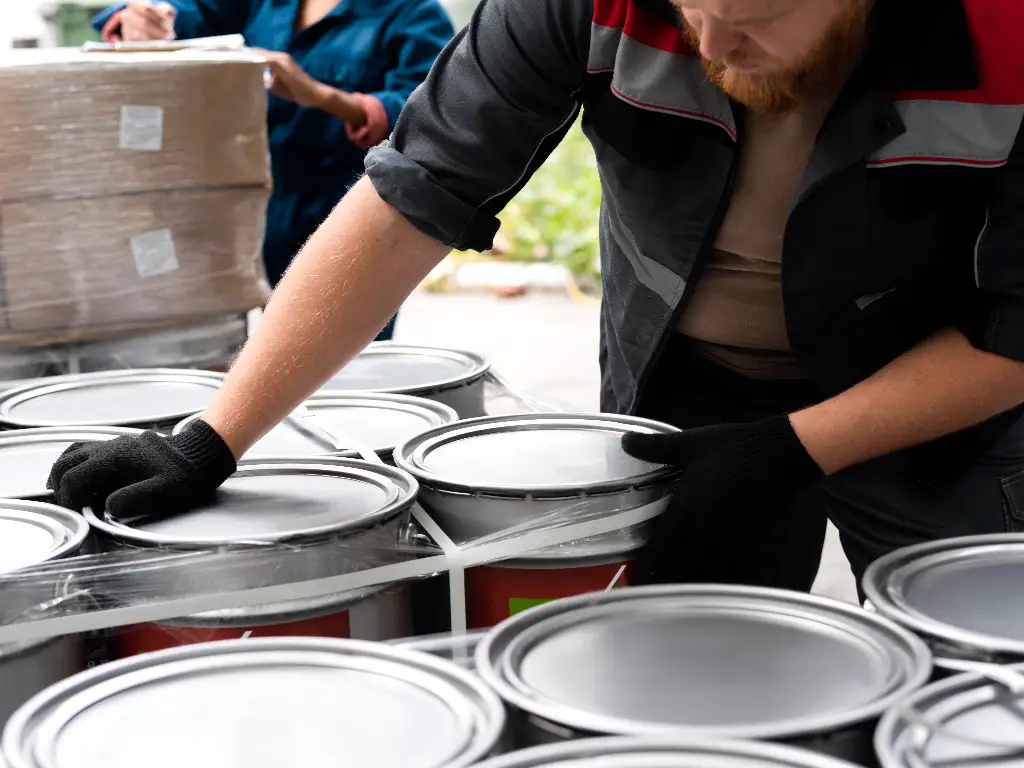
Outside the food and beverage aisles, there is the General Line of packaging which includes chemicals, automotive fluids, paints, and aerosol products. Although such containers might resemble food cans, the engineering requirements are different.
工業用缶の充填設備は、火花防止や化学薬品対応のものがあり、衛生的な食品包装ラインとは全く異なる。食品機械は衛生的(ステンレス製、洗浄可能)であるのに対し、産業機械は化学薬品対応で防爆(ATEX/EX規格)である。
| 申し込み | 一般名 | 定員 | 標準寸法(直径×高さ) | 備考 |
|---|---|---|---|---|
| ペイント/コーティング | ガロン缶 | 1ガロン | 610 x 708 | 多くの場合、シームド・エンドではなく、フリクション・フィットのリッド(プラグ)を使用。 |
| ペイント/コーティング | クオート缶 | 1クォート | 404 x 414 | 小売用ペイントまたはウッドステインの標準。 |
| エアゾール | 45mmシリーズ | 様々な | 直径45mm | バルブ・アセンブリのためのくびれたトップ。 |
| エアゾール | 52mmシリーズ | 様々な | 直径52mm | ヘアスプレーやスプレー塗料によく使われる。 |
| エアゾール | 65mmシリーズ | 様々な | 直径65mm | 頑丈な工業用スプレー。 |
Such containers tend to use alternative closure systems. Whereas food cans have a double seam, paint cans have a triple tight friction ring and aerosols need crimping stations to the valve cup. Thus, a typical food canning machine is not usually applicable to such purposes.
ラベリングとロジスティクスに標準サイズが重要な理由
To a production manager or an operation specialist, a standard can size is not only about compliance with regulatory codes, but also a plan of operational efficiency.
機械交換と工具
Filling and seaming machines are fine machines. They work with cans by means of change parts, timing screws, star wheels, and guide rails, which are machined to the particular diameter of the can.
- 標準サイズ: 標準的な#300缶を使用する場合、スペアパーツや工具は容易に入手できる。
- カスタムサイズ: 非標準直径(例えば305)を選択した場合、カスタム金型製作のための長いリードタイムと、フォーマット変更のたびに高いコストに直面します。
ラベリング効率
Labeling is die cut to a certain size. Normal can sizes are related to normal die-lines of printing houses. One efficient way to label a standard 211 beverage can is to use shrink sleeves or pressure-sensitive labels which are already templated, saving prepress costs and possible design errors.
パレタイゼーションと倉庫保管
Standard footprints are optimized in supply chains. The design of the #10 can is such that 6 cans can fit into a corrugated case and that the cases can be stacked on a standard 40×48 inch pallet with no overhang. When standard dimensions are not followed, it leads to inefficient pallet use, more air in shipping and a greater likelihood of load instability during transit.
結論
The choice of the right standard can size is a fundamental choice that will influence your whole production line, the filler to the pallet wrapper. Although marketing might require special shapes, the convenience of standard dimensions, such as reliability, speed, and compatibility, can be more beneficial than the innovation of new formats.
缶詰製造ラインにLevapackを選ぶ理由
We know at Levapack that versatility is the pulse of the contemporary packaging. You can be filling standard 10 institutional cans, or the fragile 300 fruit cans, or the high-value nitrogen-flushed powder containers, our equipment is designed to fit. Our 4000m 2 plant and a team of engineers with more than 15 years of assembly experience provides strong, CNC-precision equipment that is used with solids, powders, granules, and liquids. With 16 months warranty and an international network of services in 100 plus countries, Levapack is the power that helps your business to conquer the complexity of can sizes with confidence and efficiency. Contact us today to customize your solution.
よくある質問
飲料と食品では、標準的な缶のサイズに違いはありますか?
そう、寸法も構造も根本的に違うのだ。食品の缶は通常、スチール製(3ピースまたは2ピースのDRD)で、レトルト殺菌工程の真空圧と高温に耐えるように設計されている。一方、飲料缶は、ほぼ全体が軽量のアルミ(2ピース)で構成され、炭酸の内圧に依存している。そのため、剛性の高いスチール製食品缶をシームするために使用される機械は、通常、大きな調整を行わなければ、壊れやすいアルミ製飲料缶には対応しない。
標準的なブリキ缶の大きさは?
Since standard is relative to the application, there is no one answer. The most common standard in a consumer grocery setting (soups and vegetables) is the #300 can (3″ diameter x 4-7/16″ height). The standard in a commercial restaurant setting is the #10 can (6-3/16″ diameter x 7″ height). In the case of beverages, the 12 oz can (211 diameter) is the global standard.
同じ包装機で異なるサイズの缶を製造できますか?
Yes, but it needs change parts. The majority of modern seamers, such as the equipment of Levapack, are flexible. To change sizes, you usually have to change certain tooling parts, including the seaming chuck, turntable, and star wheels, which are of the appropriate diameter of the new can. Height adjustment is typically a less complicated procedure that does not necessarily involve new components, whereas a tooling changeover is always necessary when changing the diameter.
307」や「409」といった数字は、実際には何を意味するのか?
These are not actual millimeter measurements, but industry codes using the Imperial system. The initial number is the whole inches and the remaining two numbers are the sixteenths of an inch. An example is that 307 diameter is 3 inches and 7/16ths of an inch. This coding is universal in food packaging specifications in North America.


 EN
EN  RU
RU  ES
ES  FR
FR  DE
DE  NL
NL  IT
IT  JA
JA  ID
ID  PT
PT  KO
KO